

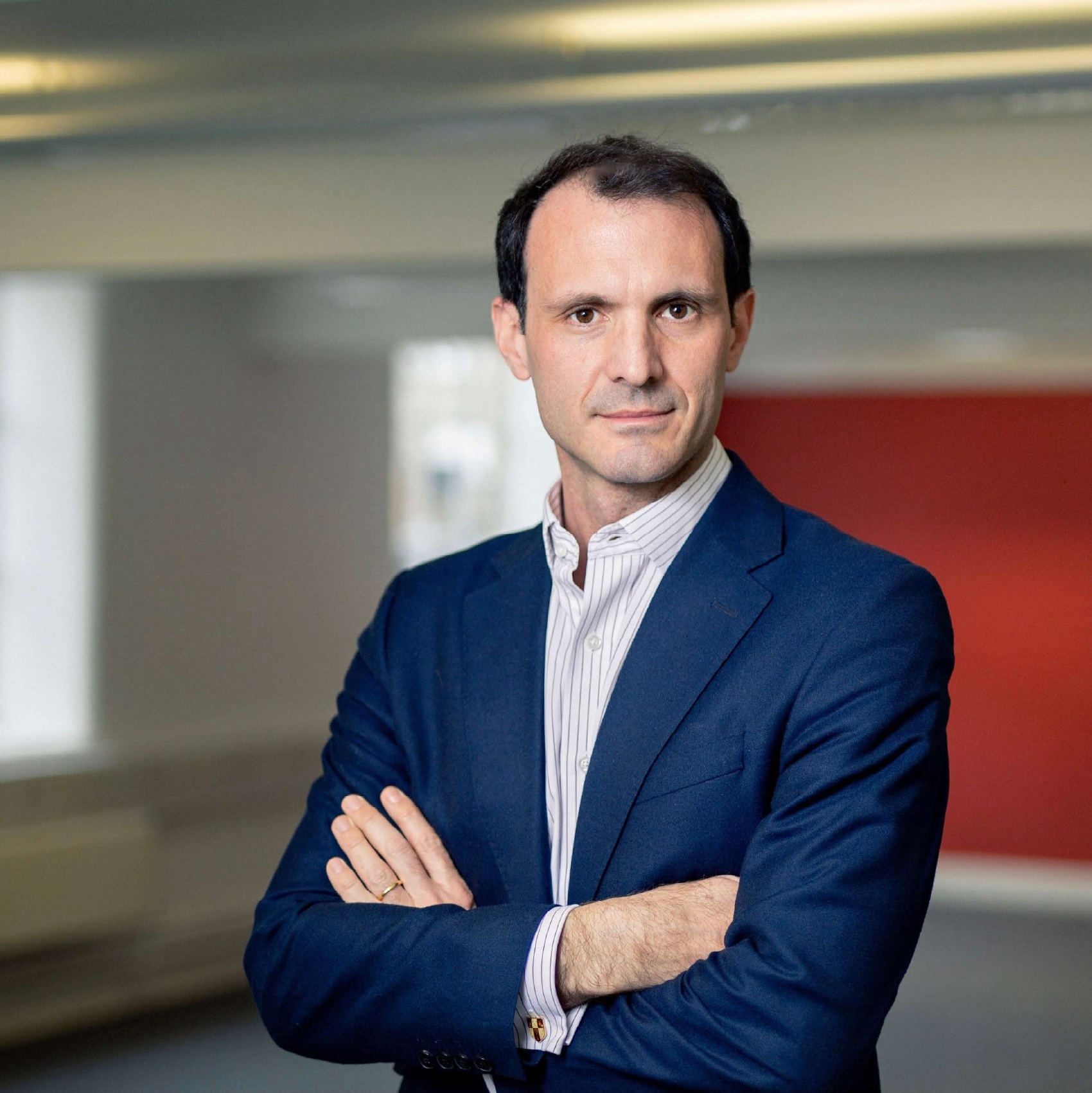
Dr. Stephen Cave
Professor Stephen Cave is Academic Director of the Leverhulme Centre for the Future of Intelligence and Co-Director of the Institute for Technology and Humanity, both at the University of Cambridge. His research focuses on philosophy and ethics of technology, particularly AI, robotics and life-extension. He is the author of Immortality (Crown, 2012), a New Scientist book of the year, and Should You Choose To Live Forever: A Debate (with John Martin Fischer, Routledge, 2023); and co-editor of AI Narratives (Oxford, 2020), Feminist AI (Oxford, 2023) and Imagining AI (Oxford, 2023). He writes widely about philosophy, technology and society, including for the Guardian and Atlantic. He also advises governments around the world, and has served as a British diplomat.
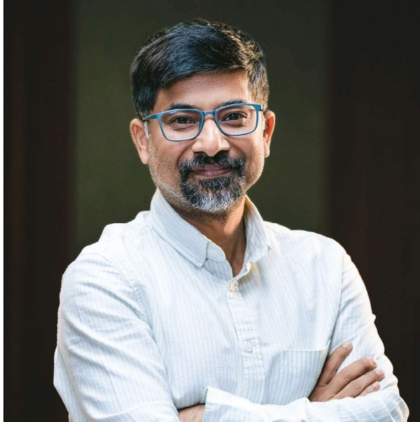
Dr. Monojit Choudhury
Professor of Natural Language Processing at the Mohamed bin Zayed University of Artificial Intelligence. Previously a Principal Researcher at Microsoft Research, his work spans multilingual and low-resource language technologies, code-mixing, and the cultural and linguistic behaviour of large language models.
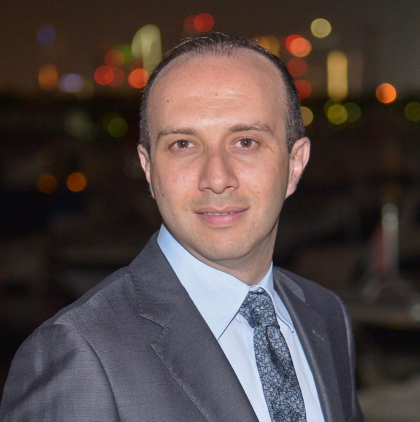
Dr. Fadi Salem
Dr. Fadi Salem is a leading global expert in digital governance, artificial Intelligence and technology policy, with over twenty years of experience across government, international organizations, and research institutions. He is the Director of Policy Research at the MBR School of Government and the Lead Senior Research Fellow in AI Governance and Digital Policy. He leads the Center of the Future of Government and is the founding Editor-in-Chief of The Policy Review journal. Previously, he was a Research Associate at the Belfer Center for Science and International Affairs, Harvard Kennedy School, and a Fellow at the Innovation and Information Policy Research Centre, Lee Kuan Yew School of Public Policy, National University of Singapore. Recognized as a thought-leader, Fadi was named among the 100 Most Influential People in Digital Government worldwide (Apolitical) and was nominated by the UN Secretary General to serve in the UN Committee of Experts of Public Administration (UN CEPA) until 2029, focusing on AI and Digital Governance. He serves on several influential international governance and advisory boards, including as President of the Digital Government Society’s AI-GOV Chapter, Co-Director of the Global Risk and AI Safety Preparedness (GRASP) Initiative, and as a member of the Dubai Digital Authority’s AI Ethics Advisory Board and several Government AI Ethics Advisory Committees. He is also a Lead AI Ethics Certified Assessor with the IEEE AI Ethics Program, Member of the Global Council on SDG 16 (World Government Summit), and member of numerous technology industry advisory boards, including the Open Loop initiative’s Global Experts on the Governance of Emerging Technologies. His leading publications include the Global Risk and AI Safety Preparedness project, the Arab SDGs Index and Dashboard, the Global Economic Diversification Index and the Creative Industries and Culture Cities Index. He has also led numerous policy advisory projects with the World Bank, UNDESA, UNDP, WEF, and OECD. Prior to joining the MBRSG, he advised the top-tier leadership on technology policy and digital economy in The Executive Office in Dubai. Fadi holds a PhD in Public Policy from the University of Oxford, an MSc in Management from the London School of Economics (LSE), and a B.Eng. in Computer Engineering from Aleppo University.
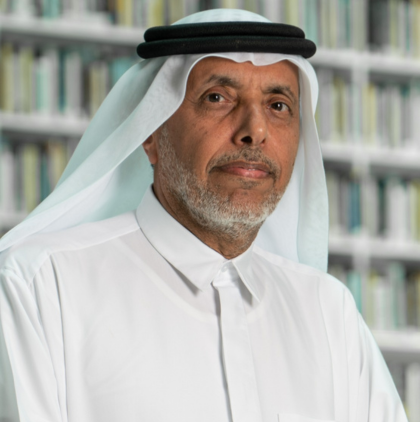
H.E. Dr. Mohammed Salem Al Mazrooei
Member of the Board of the Mohammed Bin Rashid Al Maktoum Library Foundation and signatory of the Summit’s participation agreements on behalf of the Foundation.
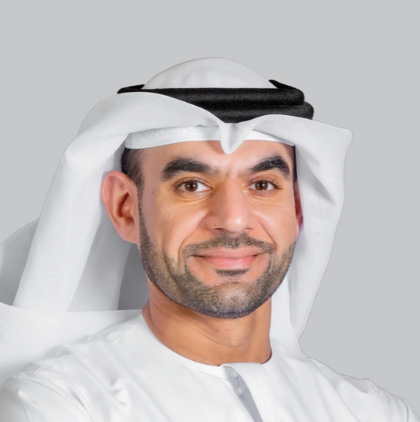
H.E. Younus Al Nasser
With a visionary approach to digital transformation in the era of the Fourth Industrial Revolution, His Excellency Younus Al Nasser has devoted his career and efforts to advancing the implementation of data science and its applications in the city of Dubai. His work underscores the strategic importance of data as a foundational asset for informed decision-making and sustainable progress.
Recognizing the transformative power of data early on, Al Nasser co-founded the city’s Open Data Committee in 2014, laying the groundwork for robust governance frameworks that enable open data access for developers, researchers, entrepreneurs, and policymakers across industries.
His leadership journey gained momentum when he assumed the role of Chief Executive Officer of the Dubai Data Establishment from 2016 to 2021. During this tenure, he pioneered governance models and advanced standards for data sharing within an integrated digital ecosystem. A key milestone in this period was the launch of the "Data Champions Network," an initiative fostering data literacy across government and semi-government entities. He also spearheaded the creation of Dubai Pulse, the city’s first open data-sharing platform, and developed strategies to integrate the private sector into Dubai’s data economy, paving the way for advancements in artificial intelligence, data analytics, and enhanced decision-making. His contributions directly supported Dubai’s Economic Agenda (D33) by driving digital innovation and economic growth.
Through these achievements, Al Nasser cemented his reputation as a leading figure in digital transformation, both locally and globally. In recognition of his impact, he was appointed Chief Executive of the Dubai Data & Statistics Establishment under Digital Dubai in 2023.
In 2025, a resolution was issued establishing the Data and Statistics Committee in the Emirate of Dubai, with Al Nasser appointed as Vice Chairman. The committee is tasked with strategically organizing and coordinating efforts among government and non-government entities to accelerate the development of an integrated, interconnected digital ecosystem—driven by advanced artificial intelligence and data analytics technologies.
With this appointment, Al Nasser embarked on a new phase in his career, during which he has been instrumental in shaping and executing Dubai’s digital strategy, aiming to digitalize life in Dubai and establish the city as a global digital capital and the world’s most seamless place to live in alignment of the wise leadership’s vision. His leadership has guided Dubai’s transition from e-Government to Smart Dubai and, ultimately, Digital Dubai—leveraging data science and artificial intelligence to create smarter, more efficient urban experiences.
Al Nasser combines graciousness, clarity, and persuasive power with exceptional leadership and communication skills. His contemporary and polished style enables him to engage and inspire diverse audiences, making him a sought-after speaker. He effectively drives awareness and adoption of data-driven transformation while championing the role of technology in advancing society and achieving Dubai’s strategic objectives.
A defining moment in his career came during the COVID-19 pandemic when, as a member of the Dubai COVID-19 Command and Control Center, he played a critical role in leveraging data and technology to ensure the safety and well-being of Dubai’s residents. His efforts helped position Dubai as one of the few global cities that maintained business continuity throughout the crisis, ensuring that daily life and economic activity never came to a halt.
Currently, as Chief Executive of the Dubai Data & Statistics Establishment, Al Nasser oversees the execution of Dubai’s digital vision while anticipating future technological trends. A prime example of his strategic foresight is his leadership in developing Dubai’s Data Center Economy framework, aimed at establishing the city as a global hub for AI-powered, sustainable data centers. Approved by the Executive Council, this initiative will increase Dubai’s data center capacity fivefold and generate over AED 14.3 billion in added value by 2028.
In leading the city’s data and statistics ecosystem, Al Nasser continues to position data as a strategic asset, integral to decision-making, policy development, programs, and plans—while steadfastly upholding the principles of reliability, transparency, and the protection of individual and organizational privacy. He has championed the use of synthetic data to enhance AI applications while ensuring privacy protection, and he has pioneered real-time, interconnected data lakes to support advanced analytics, forecasting, and evidence-based governance. H.E also spearheaded the development of interconnected real-time database, utilizing advanced methodologies and cutting-edge data science and analytics techniques to enable forecasting across multiple domains. This initiative aims to empower decision-makers with accurate data and statistics while generating significant economic and social value from the city’s data assets.
Al Nasser’s contributions extend beyond Dubai, reinforcing his role as a key player in the UAE’s digital transformation. He is a member of the UAE Council for Artificial Intelligence and Blockchain, which shapes policies that accelerate AI adoption and innovation. Additionally, he serves as Vice Chair of the United Nations’ Global Councils on Sustainable Development Goals, collaborating with international decision-makers to drive innovative projects that support global sustainability.
He also served as Vice Chair of the United Nations’ Global Councils on Sustainable Development Goals—a multidisciplinary network of decision-makers, international organizations, academic institutions, non-profits, and private sector leaders collaborating to develop innovative projects and explore creative ideas that advance the global implementation of the Sustainable Development Goals.
He also holds leadership roles as Vice President and Board Trustee of the Mohammed Bin Rashid School of Government, a member of the National Statistics Committee, a member of the Higher Committee for the Dubai Cashless Initiative, a member of the Steering Committee for Measuring Workforce Productivity in the Government of Dubai, and a Board Member of the Dubai Media Council. His past positions include Assistant Director-General of Smart Dubai and Project and Security Systems Manager at the Dubai Electronic Security Center, where he led mission-critical digital initiatives. He holds a degree in Business Information Technology from the Higher Colleges of Technology in the UAE.
Throughout his career, Al Nasser has been the driving force behind numerous data and statistics initiatives, including the Dubai Dashboard, Dubai Registers, the Dubai Data & AI Platform, the Real-Time Census Initiative, and key economic and social surveys such as the Economic Survey, Household Income Survey, and Labor Force Survey.
Despite his demanding professional commitments, he makes time for his personal passions, including desert camping and cycling—activities that reflect his appreciation for balance and exploration in both his personal and professional life.

H.E. Abdullah Majed Al Ali
Director General of the National Library and Archives of the United Arab Emirates, the federal institution responsible for the nation’s documentary memory, national bibliography and public access to archival collections.
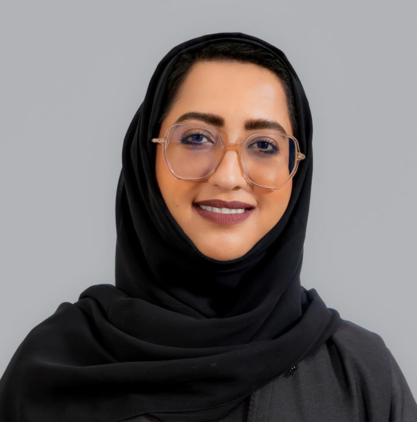
Shatha Amin Al Mulla
Senior official at the UAE Ministry of Culture; moderates the institutional plenary on the responsibilities of knowledge institutions.
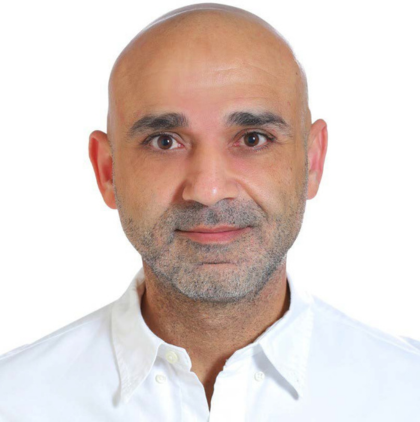
Iyad Ahmad
Iyad is the Chief Technology Officer at Arabic.AI, leading the innovation behind Pronoia—the Arabic LLM that outperformed GPT-4 and other global models on Arabic tasks. With over 25 years of experience, he specializes in building AI solutions that transform enterprise performance across MENA. He played a key role in developing platforms like AMT, CleverSo, and T-Portal, advancing translation and content automation. Iyad also launched Ureed.com, the largest Arabic freelance marketplace with over 130,000 freelancers. His leadership blends deep technical expertise with a vision for scalable, impact-driven AI products.
Dr. Fadi Salem
Dr. Fadi Salem is a leading global expert in digital governance, artificial Intelligence and technology policy, with over twenty years of experience across government, international organizations, and research institutions. He is the Director of Policy Research at the MBR School of Government and the Lead Senior Research Fellow in AI Governance and Digital Policy. He leads the Center of the Future of Government and is the founding Editor-in-Chief of The Policy Review journal. Previously, he was a Research Associate at the Belfer Center for Science and International Affairs, Harvard Kennedy School, and a Fellow at the Innovation and Information Policy Research Centre, Lee Kuan Yew School of Public Policy, National University of Singapore. Recognized as a thought-leader, Fadi was named among the 100 Most Influential People in Digital Government worldwide (Apolitical) and was nominated by the UN Secretary General to serve in the UN Committee of Experts of Public Administration (UN CEPA) until 2029, focusing on AI and Digital Governance. He serves on several influential international governance and advisory boards, including as President of the Digital Government Society’s AI-GOV Chapter, Co-Director of the Global Risk and AI Safety Preparedness (GRASP) Initiative, and as a member of the Dubai Digital Authority’s AI Ethics Advisory Board and several Government AI Ethics Advisory Committees. He is also a Lead AI Ethics Certified Assessor with the IEEE AI Ethics Program, Member of the Global Council on SDG 16 (World Government Summit), and member of numerous technology industry advisory boards, including the Open Loop initiative’s Global Experts on the Governance of Emerging Technologies. His leading publications include the Global Risk and AI Safety Preparedness project, the Arab SDGs Index and Dashboard, the Global Economic Diversification Index and the Creative Industries and Culture Cities Index. He has also led numerous policy advisory projects with the World Bank, UNDESA, UNDP, WEF, and OECD. Prior to joining the MBRSG, he advised the top-tier leadership on technology policy and digital economy in The Executive Office in Dubai. Fadi holds a PhD in Public Policy from the University of Oxford, an MSc in Management from the London School of Economics (LSE), and a B.Eng. in Computer Engineering from Aleppo University.
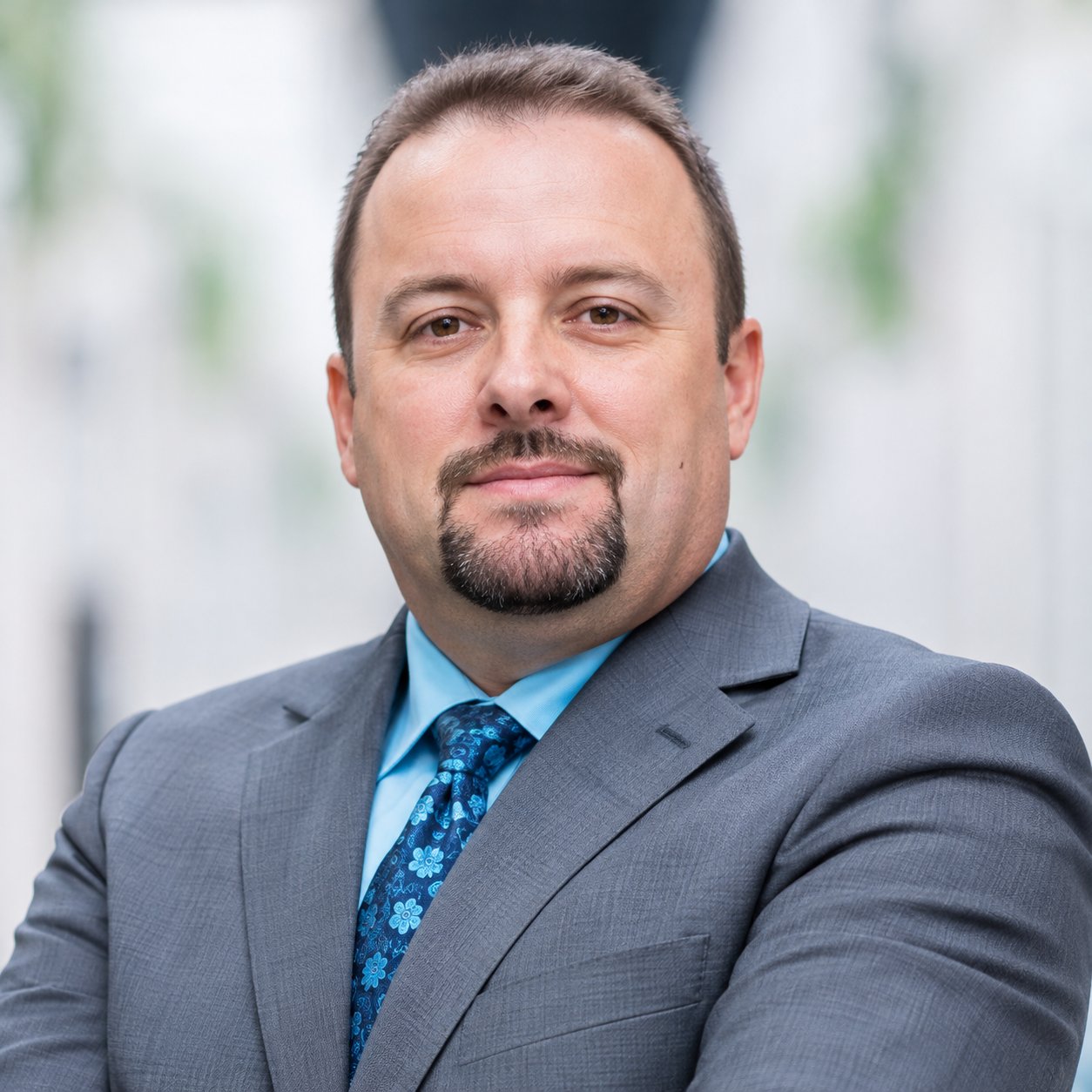
Dr. Hakim Hacid
Dr. Hakim Hacid is the Chief Researcher of the Artificial Intelligence and Digital Science Research Center in the Technology Innovation Institute (TII), a cutting-edge UAE-based scientific research center, leading the diverse efforts around Artificial Intelligence and Machine Learning, including Falcon LLM. Prior to joining TII, he was an Associate Professor at Zayed University, a customer analytics head at Zain telecom, and a research department head at Bell Labs Research. He is a published author of many research articles in top journals and conferences and holds several industrial patents to his credit. His research specialization includes machine learning, databases, natural language processing, and security.

Dr. Ludovick Lepauloux
Ludovick Lepauloux is a Director at the Technology Innovation Institute (TII) in Abu Dhabi, where he leads audio and speech AI research and drives technology transfer into startups. His team builds speech recognition, speech synthesis and voice agents for Arabic and Gulf dialects, and contributed to Falcon ASR, Falcon3-Audio and WavLink. His career spans research, industry and entrepreneurship: after a PhD in signal processing (University of Rennes 1, Orange Labs), he worked on audio R&D at Intel and NXP, where his work shipped in consumer devices, then co-founded Seven Sensing Software and Blu Manta and served as Blu Manta’s CEO from 2019 to 2023. He is a named inventor on eight patent filings.
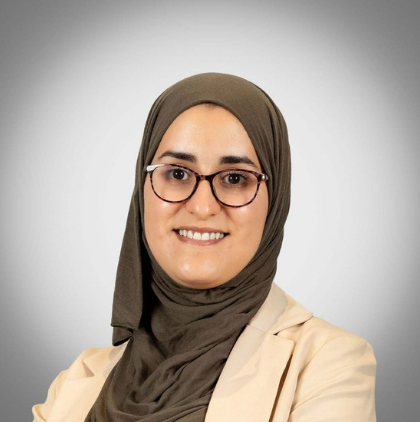
Dr. Basma El Amel Boussaha
Dr. Basma El Amel Boussaha is a Principal Researcher at the Technology Innovation Institute (TII) in Abu Dhabi, where she leads the Arabic and Dialects team in generative AI and natural language processing. With over 10 years of experience spanning academic research and industry, she specializes in large language models, distributed training, and Arabic NLP. Basma earned her PhD in Computer Science from Nantes Université, focusing on retrieval-based dialogue systems, and holds an MSc from Université Paris-Saclay in AI and NLP. Before joining TII, she worked as a Senior Data Scientist at Wolters Kluwer Legal Software in Paris, where she built and deployed deep-learning question answering models in production for the Legal domain. She is the author of multiple publications. Fluent in Arabic, English, and French, Basma is passionate about advancing language technology for Arabic and its dialects.
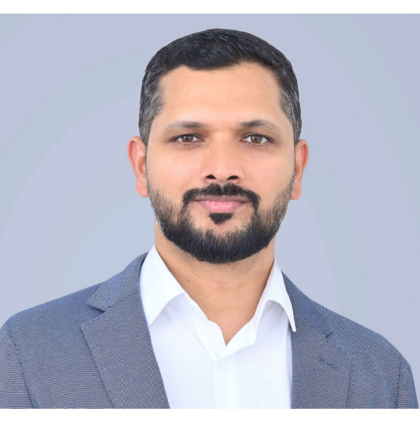
Abdul Muneer
Abdul Muneer is an AI engineer at the Technology Innovation Institute (TII) in Abu Dhabi, where he leads the work on Falcon ASR. Released in October 2026, it is a speech recognition model with a particular focus on Emirati Arabic. It also covers Modern Standard Arabic, other Gulf and Arabic dialects, and English, French, Spanish and Portuguese. His aim is to give spoken Arabic and its dialects the same quality of AI support that written English has, so that lectures, broadcasts and oral histories can be searched, preserved and shared. He also works on the Falcon language models and is lead author of the Falcon3-Audio research paper. Abdul Muneer has about nineteen years of experience in software, ten of them in artificial intelligence. Before TII he worked at Intel, Minds.ai and Cisco. He holds a US patent in reinforcement learning and has published research on driver-assistance systems for cars.
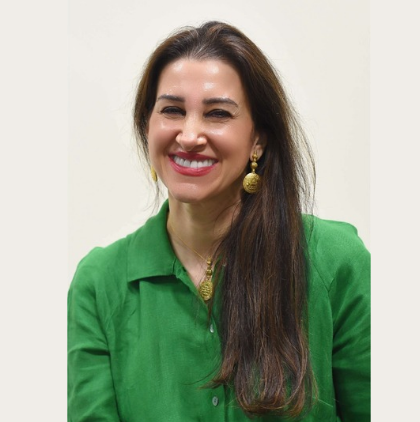
Dr. Hanada Taha Thomure
Professor Hanada Taha-Thomure is the Endowed Chair Professor of Arabic Language and Director of the Zai Arabic Language Research Center at Zayed University, UAE. A recognized scholar in Arabic language education, her work focuses on literacy development, curriculum design, language policy, teacher education, and assessment. She has led major initiatives advancing evidence-based Arabic teaching and learning, including the development of innovative diagnostic tools and Arabic language standards. Her research explores Arabic reading development, diglossia, and educational reform, bridging scholarship, classroom practice, and policymaking. She collaborates with governments, international organizations, and educational institutions to strengthen Arabic language education globally.
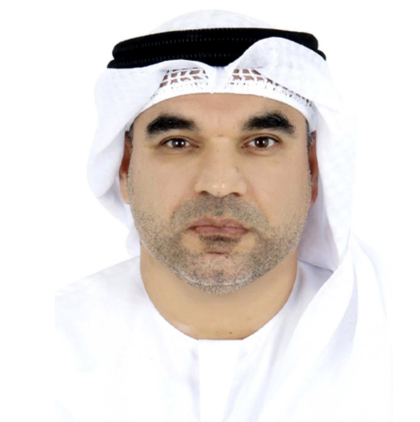
Adel Miran
I am an Emirati AI and innovation leader with experience in real estate, facilities management, and transformation. I have researched AI since 2017 and AI governance since 2018, advocating responsible, human-centred innovation.
I serve as Director of Administration and Facilities Management at Dubai Holding Real Estate and Chief Commercial Officer at Neuratia Labs. I founded Miranco Innovation & AI Consultancy, advancing dialogue on cultural representation, integrated intelligence, and AI governance.
My achievements include an entrepreneur research award at World AI Expo Dubai 2025; Forttuna Global Excellence Awards 2025 honours as Visionary Leader of the Year in AI and Real Estate and Global 100 Legacy Maker; and recognition among the Top 100 in the Middle East for AI innovation.
I am honoured to join this summit as a keynote speaker, presenting “Cultural Sovereignty in AI: Beyond Words.” I champion AI that reflects local knowledge, heritage, and values with people at its centre.
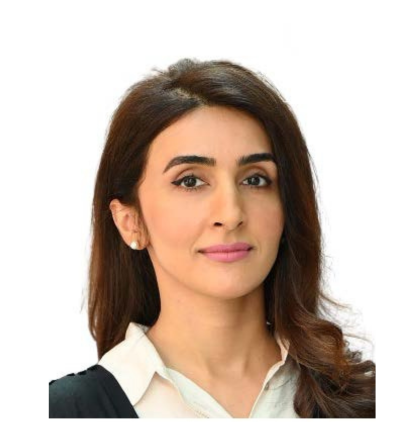
Dr. Hanan Aldarmaki
Hanan Aldarmaki is an Assistant Professor in the Computing and Mathematical Sciences division at Mohamed Bin Zayed University of Artificial Intelligence (MBZUAI). Her research broadly covers speech and language technologies for accessibility, education, and culture, including dialectal Arabic speech and language processing, clinical speech processing for communication disorders, sign language processing, speech privacy, and multimodal language understanding. She is also a co-founder of Potion AI, a UAE-based technology startup building games for educational, clinical, and cultural purposes.
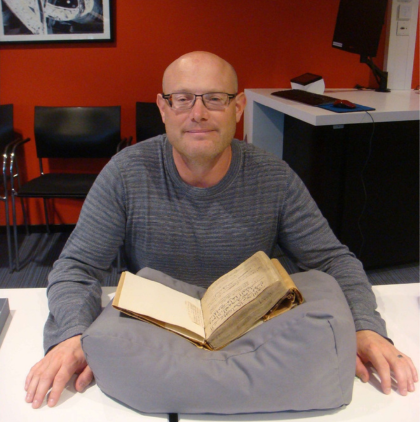
Michael Cooperson
Professor of Arabic and Chair of the Department of Near Eastern Languages and Cultures at the University of California, Los Angeles. Graduate of the Center for Arabic Study Abroad at the American University of Cairo (1988) and Harvard University (PhD 1994). Academic interests: pre-modern Arabic cultural history, literary translation, Maltese language and literature. Author of Classical Arabic Biography (2000) and Al-Ma'mun (2005). Co-author of Interpreting the Self: Autobiography in the Arabic Literary Tradition (2001). Translator of Abdelfattah Kilito, The Author and His Doubles (2001); Ibn al-Jawzi's Life of Ibn Hanbal (Sheikh Hamad Award, 2016) and al-Hariri's Impostures (the Maqamat; Sheikh Zayed Award, 2021).
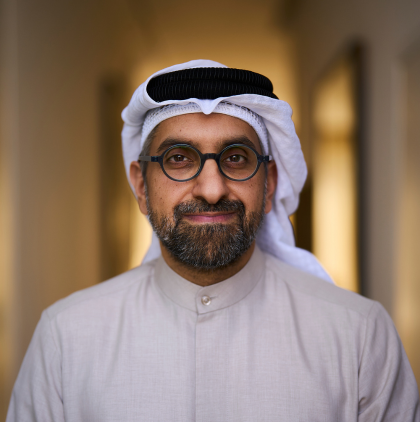
Sheikh Sultan Sooud Al Qassemi
Emirati columnist, researcher and collector; founder of the Barjeel Art Foundation in Sharjah (2010), which holds and lends one of the most significant collections of modern Arab art. He has taught courses on the politics of modern Arab art and on Gulf cities at universities in the United States and the UAE.
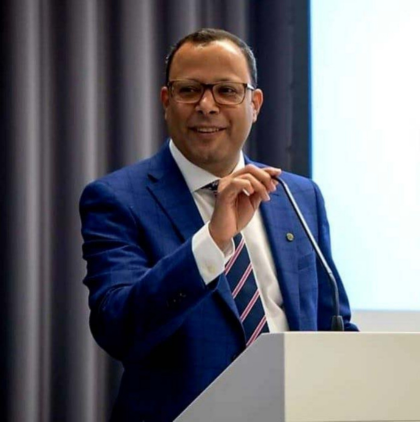
Dr. Walid Ghali
Professor of Arabic and Islamic Studies and Head Librarian at Aga Khan University; Fellow of the Higher Education Academy.
Stéphane Ipert
Stéphane Ipert is an international expert in library heritage preservation, art law, and the prevention of illicit trafficking in cultural property, with over 30 years of experience. From 2015 to 2023, he served as Director of Heritage Collections at Qatar National Library. Since 1995, he has worked as an international consultant for UNESCO and other organisations in numerous countries, including Cuba, Iran, Iraq, Jordan, Syria, and Yemen. Trained in conservation and art history, he holds two master’s degrees in law, specialising in cultural heritage law and legal history. He is currently Adjunct Faculty at Virginia Commonwealth University School of the Arts in Qatar, teaching art history, art law, and provenance research. He has published books and articles on Islamic book arts, documentary heritage preservation, and legal issues relating to cultural heritage, particularly in libraries. His forthcoming paper examines the legal and ethical issues surrounding the circulation of Chinese Qur’ans.
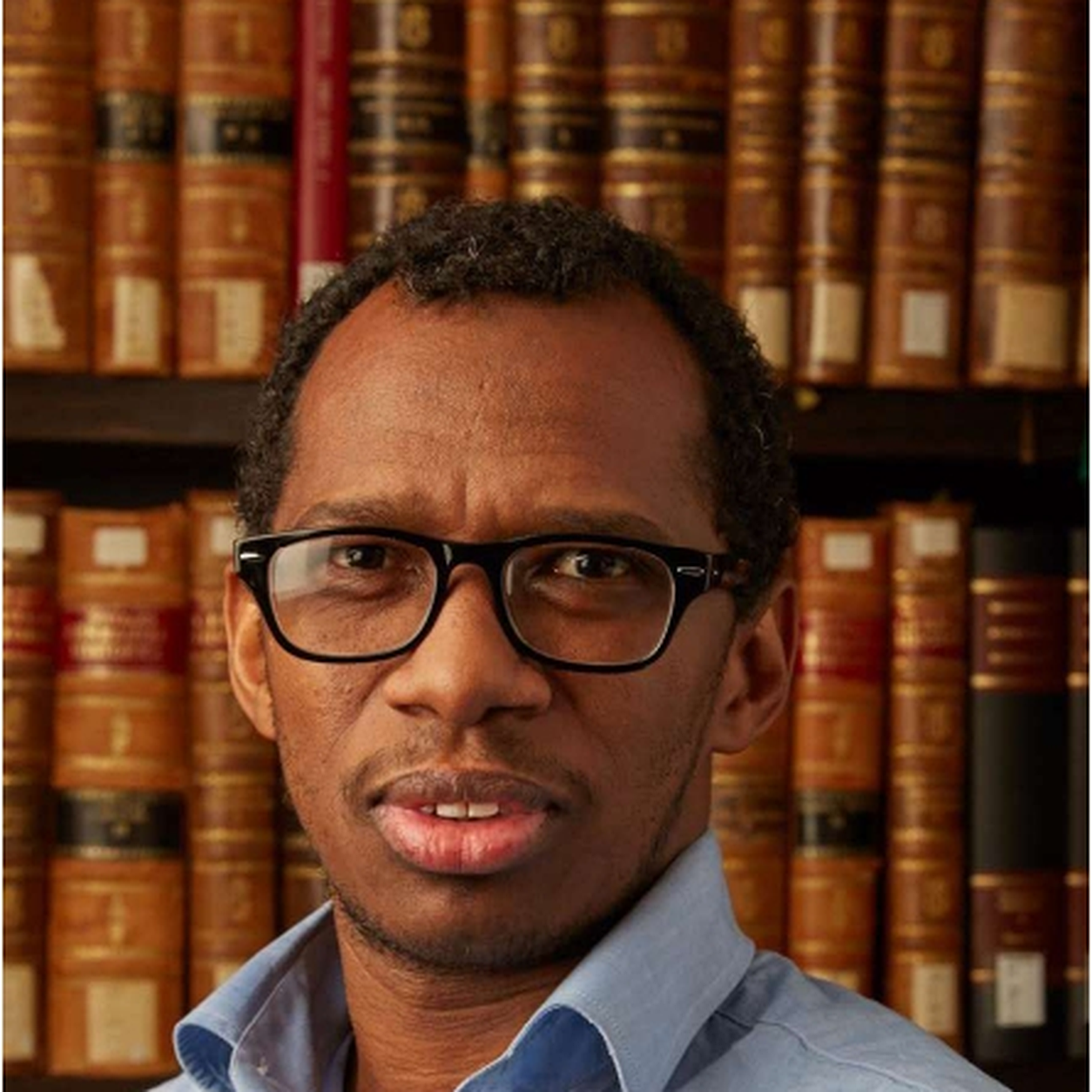
Dr. Ali Diakité
Ali Diakite is a historian specializing in the intellectual and social history of nineteenth-century West Africa. He holds an MA from the Université de Bamako, as well as an MA and a PhD from the École Normale Supérieure, Lyon. He currently serves as a Cataloger of West African Manuscripts at the Hill Museum & Manuscript Library (HMML), Saint John’s University, Minnesota. He is the co-author of The Chronicles of Two West African Kingdoms: The Tārīkh Ibn Al-Mukhtār of the Songhay Empire and the Tārīkh Al-Fattāsh of the Caliphate of Ḥamdallāhi, published by the British Academy in 2025. His current research includes a book project on the nineteenth-century Macina scholar al-Mukhtār ibn Yerkoy Talfi. He is also co-authoring an article entitled Digitizing Timbuktu: Global Access and Local Heritage, which explores the digitization of Timbuktu’s manuscript heritage and questions of global access and local cultural preservation.
Lesley Grey
Dr. Walid Ghali
Professor of Arabic and Islamic Studies and Head Librarian at Aga Khan University; Fellow of the Higher Education Academy.
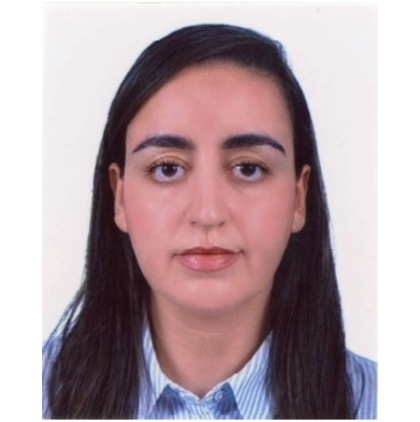
Dr. Khawla El Akkili
Khawla El Akkili is an archives specialist with over twelve years of experience in library and archival science with a background in international studies and diplomacy. Her professional interests span digital archives, documentary heritage preservation, institutional memory, and the application of emerging technologies to archival practice. She is interested in colonial archives, the preservation and interpretation of historical collections, and the role of archives in documenting histories and supporting research. Her interests also extend to museums and exhibitions, with a focus on innovative approaches to presenting historical materials, exploring diverse historical narratives, and making cultural heritage accessible to wider audiences. She is passionate about examining the connections between archival practice, historical research, and public engagement. She currently serves as Digital Archives Specialist at the Africa Institute, Global Studies University, in Sharjah, United Arab Emirates.
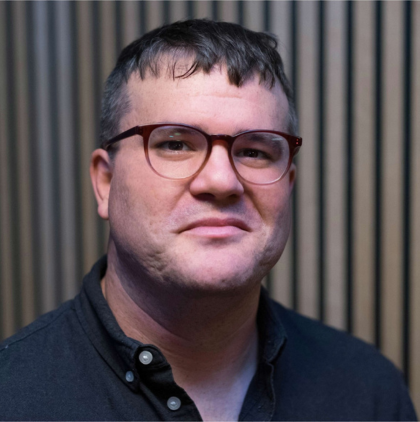
Ian Giles
Ian Giles is an Edinburgh-based literary translator working from Swedish, Norwegian and Danish into English. With more than fifteen years' experience, he has translated over 40 titles, spanning bestselling fiction and complex academic and cultural texts. Recent translations include works by Camilla Läckberg, David Lagercrantz and Søren Sveistrup, as well as Andrev Walden's international bestseller 'Bloody Awful in Different Ways'. His translation of Ørjan Karlsson's 'Into Thin Air' won the 2026 Petrona Award for Best Scandinavian Crime Novel.
Ian regularly writes and speaks on literary translation, translator ethics, publishing trends and the impact of AI on the profession. He is Chair of the Translators Association, an elected board member of the UK Society of Authors, and organiser of the Assembly of Literary Translators, an annual professional development event held on the eve of the London Book Fair.
Michael Cooperson
Professor of Arabic and Chair of the Department of Near Eastern Languages and Cultures at the University of California, Los Angeles. Graduate of the Center for Arabic Study Abroad at the American University of Cairo (1988) and Harvard University (PhD 1994). Academic interests: pre-modern Arabic cultural history, literary translation, Maltese language and literature. Author of Classical Arabic Biography (2000) and Al-Ma'mun (2005). Co-author of Interpreting the Self: Autobiography in the Arabic Literary Tradition (2001). Translator of Abdelfattah Kilito, The Author and His Doubles (2001); Ibn al-Jawzi's Life of Ibn Hanbal (Sheikh Hamad Award, 2016) and al-Hariri's Impostures (the Maqamat; Sheikh Zayed Award, 2021).
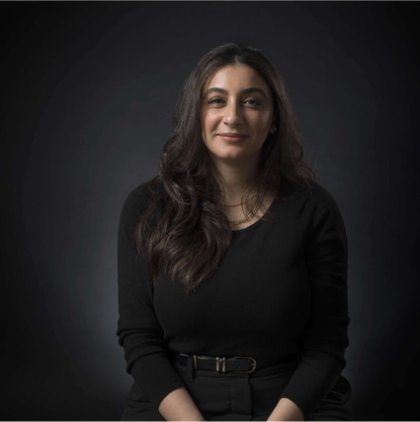
Yara El Masri
Egyptian translator who studied Chinese at the Faculty of Al-Alsun, Ain Shams University in Cairo, and at Shandong Normal University in Jinan, China. She has published short stories, poetry and translated studies from Chinese into Arabic in periodicals including Al-Arabi magazine, Al-Ahram, the cultural supplement of Al-Ittihad and Akhbar Al-Adab, among other Arabic cultural publications. Sixteen of her translated works have been published. Through her website “Voices from China” she publishes selected translations of stories, poems and texts from contemporary Chinese literature.
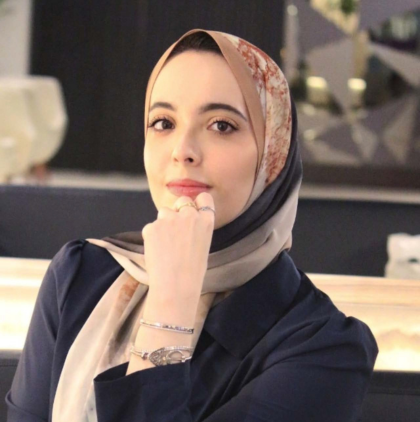
Dr. Sahar Othmani
Sahar Othmani is a visiting fellow in media and translation at Loughborough University in the United Kingdom and a lecturer in creative writing. She holds a PhD in translation from Queen's University Belfast. Her research specialises in literary translation between marginalised cultures, with a focus on Korean and Arabic. Sahar has publications on the use of generative AI in gamification as a pedagogical instrument, and on exophonic writing in third culture settings. She is an assistant editor at The Translator Journal and a published poet and translator. She was longlisted for the 2025 New Voices in Translation Award and the 2023 Pushcart Award for poetry.
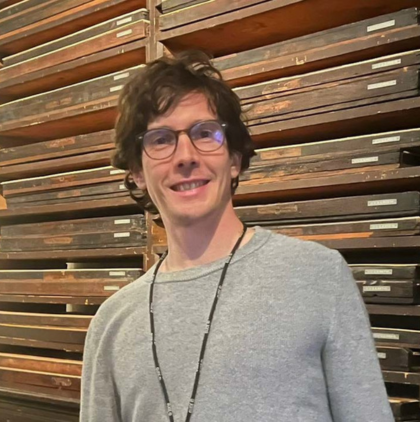
Dr. Antoine Henry
Antoine Henry is an assistant professor at Lille University (France). He focuses his research on the circulation of information, the organization of knowledge, digital systems, and artificial intelligence.
He participated in two Horizon projects:
• FairMusE, where he co-led Work Package 4 on Music Consumers & Music Diversity and worked to create a Fairness Score to improve fairness in recommendation systems.
• LibrarIn, where he contributed to T3.1 on digital transformations in libraries, focusing on AI development at the French National Library.
He also works on the LibCommon project to stimulate innovative learning and teaching practices in higher education. He achieves this by creating new partnerships with libraries to establish them as commons-based resources and learning hubs.
As a member of the research group at the Centre Internet et Société (UPR 2000 of the CNRS), he co-manages the working group on AI, art, and creativity.
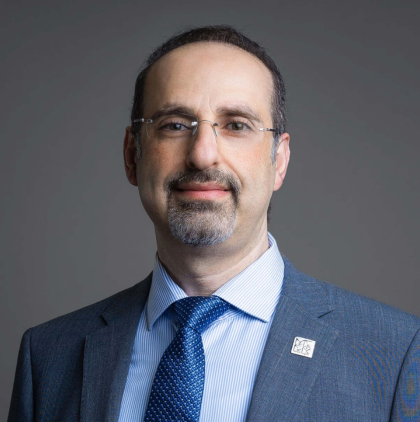
Dr. Raian Ali
Dr Raian Ali is a Professor and UNESCO Chair in Digital Technologies and Human Behaviour. He received his PhD from the University of Trento, Italy, in 2010, and has held academic positions at the University of Limerick, Ireland, and Bournemouth University, the UK, and a visiting professorship at the Education University of Hong Kong. He obtained his first degree from Latakia University, Syria. His research focuses on the intersection of technology and human behaviour, with an emphasis on digital addiction, responsible technology use, and the impact of design on wellbeing. He serves on the Steering Committee of the Persuasive Technology Society and the International Conference on Behavioural and Social Computing, and is on the editorial boards of leading journals including Behaviour and Information Technology, Journal of Responsible Technology, and Human-Centric Artificial Intelligence. He leads the $3.8 million Digital Citizenship Cluster in Qatar, involving multiple projects, over 15 national and international partners, and a team of more than 50 researchers and staff. He also provides consultancy at national and international levels.
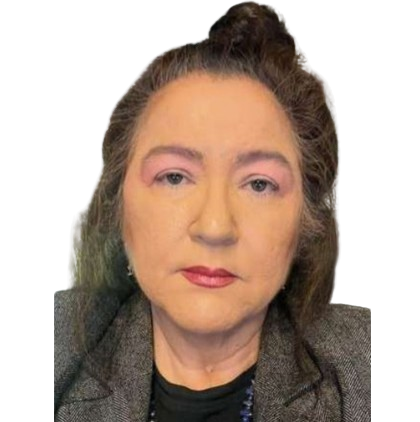
Dr. Pamela Louderback
Pamela Louderback serves as the Library Director at Northeastern State University in Oklahoma. She has over thirty-five years of experience in the library field, including administration, original cataloging, reference, and higher education instruction. As a Fulbright Scholar to the United Kingdom (2010–2011) in Governance/Public Policy at Queen's University, Belfast, Northern Ireland, her research focused on the comparison of government-directed educational policies and U.S. Indigenous language revitalization policies. She continues to serve the Fulbright Commission as an Institutional Faculty Liaison. She holds an Open Education Network's Certificate in Open Educational Practices (OER Librarianship) and a Creative Commons Certificate for Academic Librarians and Educators. She also serves on the Latin American/Indigenous Peoples of America Funnel program to present culturally respectful subject heading proposals to the Library of Congress. Her research and publications focus on Indigenous academic success, integrating curriculum technology into the classroom, and assisting underrepresented students in the transition to college.
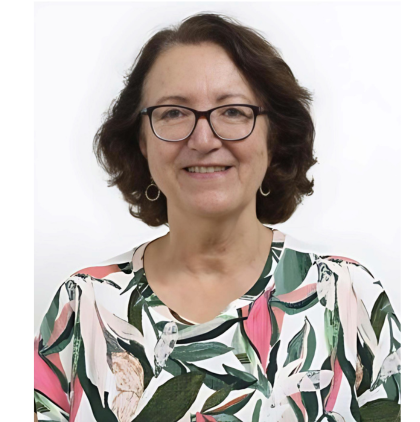
Taghreed Najjar
Taghreed Najjar was awarded the 2021 Jordanian State Award for Children's Literature. She has been a several-time nominee for the Astrid Lindgren Award and a several-time winner and shortlistee of the Etisalat Prize for Arabic Children's Literature. Her YA novel Whose Doll is This? won the YA Book of the Year (2019).
With a portfolio spanning four decades, Taghreed – a multifaceted author – writes picture books, middle grade and young adult books. Her picture books have become classics that are read and enjoyed by generations, while her YA novels have found great success in addressing difficult subjects reflecting political and cultural realities in the region.
Several of Najjar's books have been recommended by "White Ravens" and several have been translated to languages including English, Italian, Swedish, Danish, French and Turkish.
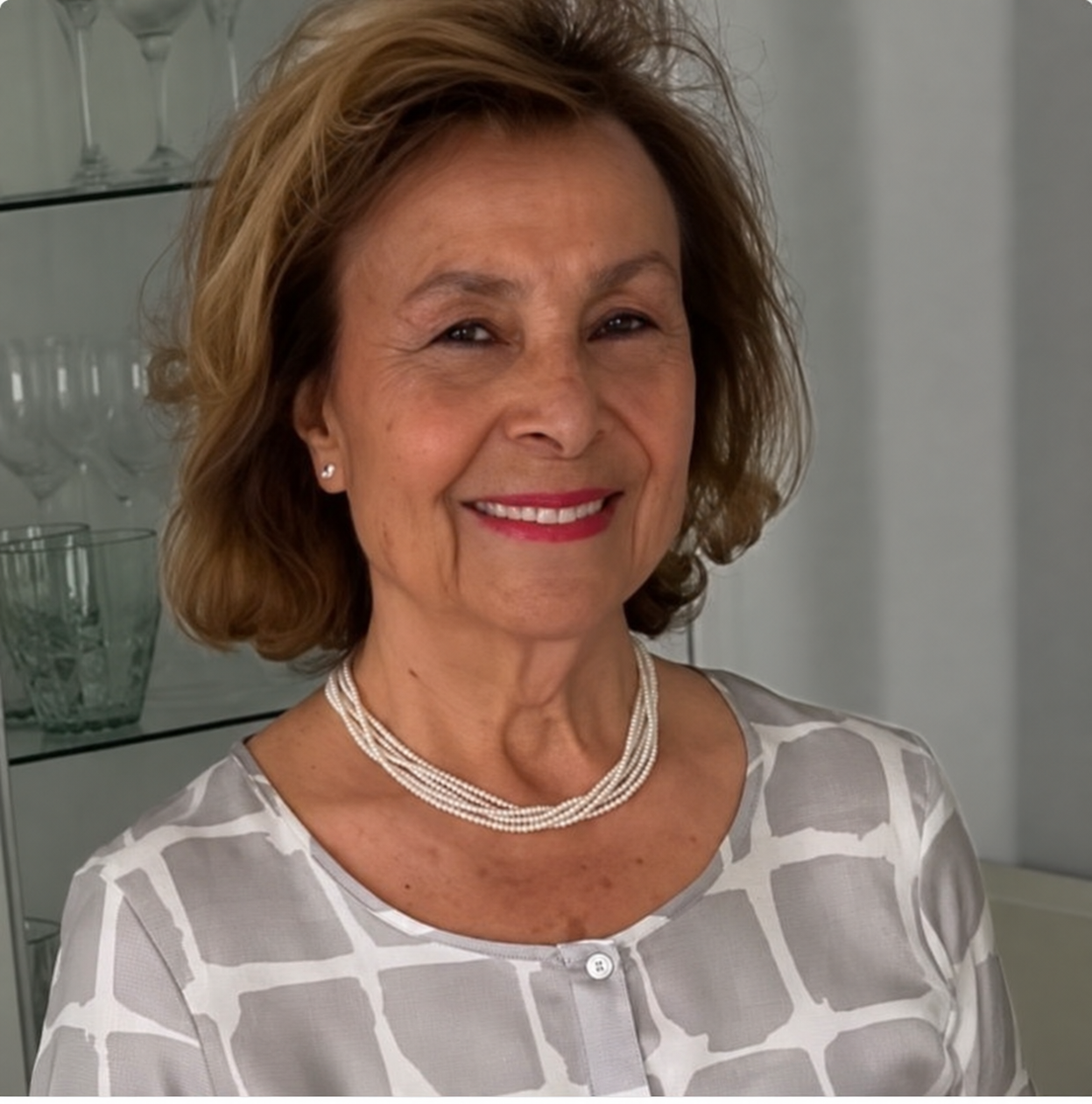
Mona Henning Zureikat
Founder and publisher of Dar Al-Muna, established in Stockholm in 1984 to publish Arabic children’s literature, including Arabic translations of Scandinavian classics, for readers across the Arab world and the diaspora.
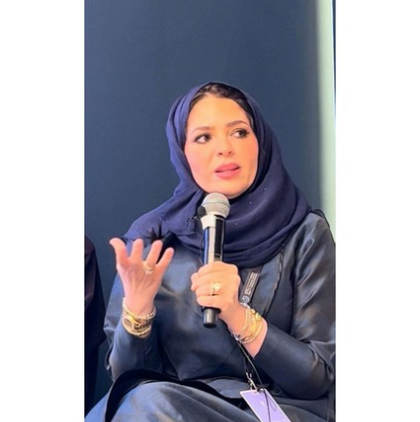
Dalia Toonsi
Dalia Toonsi is a Saudi educator, author, and specialist in Philosophy for Children (P4C) and the sociology of childhood. She is the founder and Chairperson of Baseera Institute in Jeddah, Saudi Arabia.
Since 2011, she has been dedicated to promoting philosophical inquiry, critical thinking, and meaningful dialogue in education. Through Baseera, she has pioneered initiatives to introduce P4C into educational settings across Saudi Arabia and the Arab world, developing professional training programmes for educators and facilitating international partnerships.
Alongside her work in education, Dalia is a children’s literature author with a particular interest in the philosophical dimensions of storytelling and the role of children’s books in shaping imagination, identity, and understanding.
Her work brings together philosophy, education, and literature, with a commitment to nurturing curiosity, independent thinking, and a culture of dialogue from early childhood.
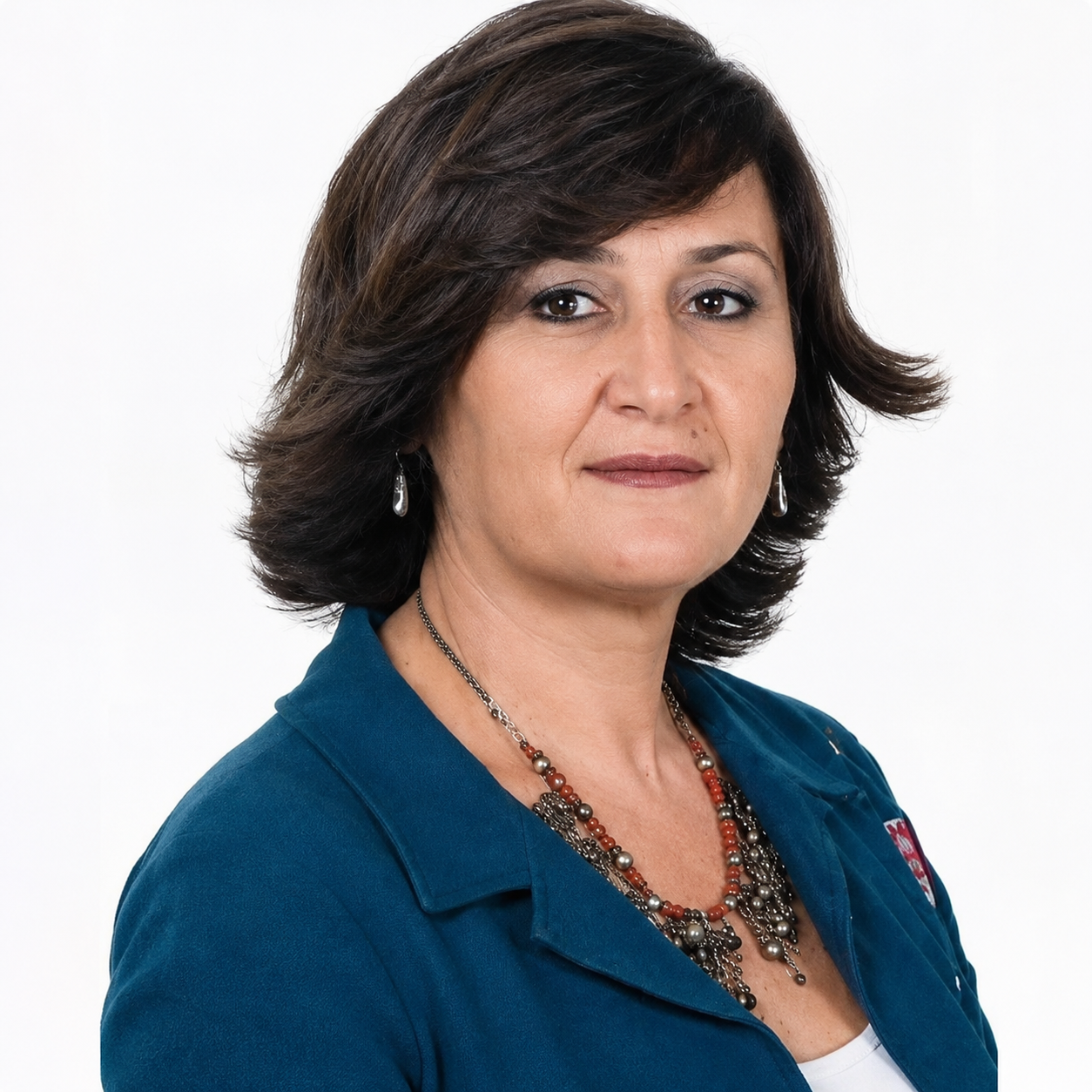
Dr. Siham Harb
Siham Harb holds a PhD in Arabic Language and Literature, specialising in children's literature, from Saint Joseph University of Beirut, and is a retired professor at the Lebanese University. A researcher in narratology, language learning and education, she has served as an educational expert on EU-funded programmes and as a trainer of trainers. She is a member of educational, literary and professional bodies, including the Lebanese Association for Educational Studies (LAES), ADMEE-Liban, PEN Lebanon and the Association of Former Professors of the Lebanese University, and is the author of school textbooks published by Hachette Antoine.
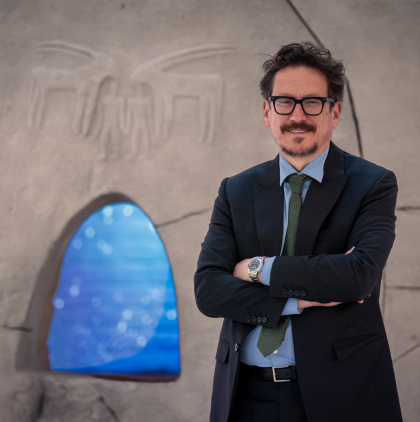
Dr. Peter Magee
Dr. Peter Magee spent more than 30 years directing heritage research in the UAE and across the Middle East prior to becoming Director of Zayed National Museum. This appointment followed 20 years serving as Professor, then Chair, of Classical and Near Eastern Archaeology at Bryn Mawr College in Philadelphia, as well as academic positions in Belgium and Australia.
He has published more than 70 scientific papers and books on the history and archaeology of the Arabian Gulf and is a Fellow of The Society of Antiquaries in the United Kingdom. He also serves as the current Chair of the International Association for the Study of Arabia.
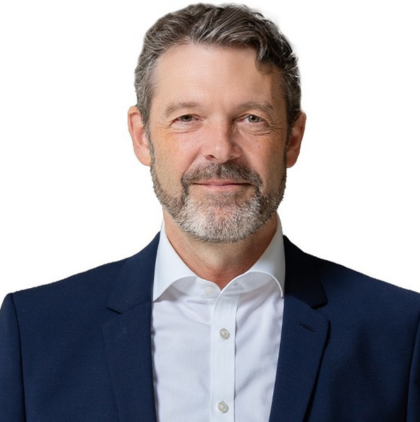
Dr. Peter Kjærgaard
Dr Peter C. Kjærgaard is Director of the Natural History Museum Abu Dhabi, which opened to the public in November 2025. The largest museum of its kind in the region, it defines itself as a place to engage, participate and grow, where communities, researchers and partners come together. It takes the stewardship of our shared natural heritage seriously and builds the scientific record of the region’s own nature, from its lost worlds to its living biodiversity, for future generations. Its ambition is to make a positive difference in the world for people and planet. Dr Kjærgaard previously served as Director of the Natural History Museum of Denmark, where he led the museum’s transformation and the development of a new museum building. Under his leadership an international evaluation panel rated the museum world-leading in its originality, significance and rigour. He holds an honorary professorship at University College London and previously held professorships at the University of Copenhagen and Aarhus University. He is a Fellow of the Linnean Society of London and a Knight of the Order of the Dannebrog.
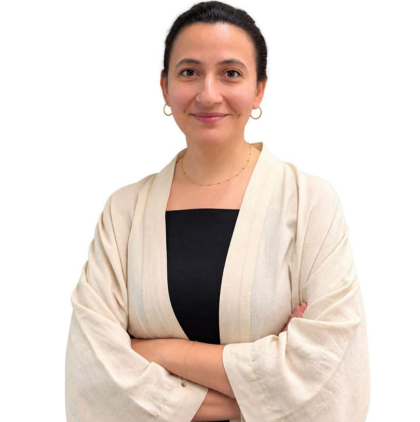
Suheyla Takesh
Suheyla Takesh is Director of the Barjeel Art Foundation, Sharjah, where she leads curatorial and scholarly initiatives focused on modern and contemporary Arab art. She has curated exhibitions internationally, and contributed essays to exhibition catalogues and peer-reviewed journals. She is co-editor of several books on Arab art, such as "Taking Shape: Abstraction from the Arab World, 1950s–1980s" (Hirmer, 2020), "The Life and Work of Inji Efflatoun" (Skira, 2025), and "Resonant Histories: India and the Arab World" (Mapin, 2026). Suheyla holds a master's degree in History, Theory, and Criticism of Architecture and Art from MIT.
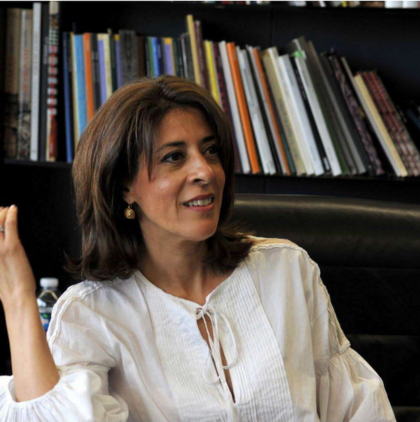
Mona Khazindar
First Arab woman appointed Director-General of the Institut du Monde Arabe in Paris in 2011, having headed the Institut’s Department of Modern and Contemporary Arab Art from 1987. She joined the Saudi Ministry of Culture in 2019, where she held various positions including CEO of the Museums Commission, and is now editor-at-large of Matahef, the Arab world’s first bilingual digital magazine dedicated to museum practice and cultural heritage across the MENA region. She has served on the boards of cultural institutions including MUCEM, the Institute of Art in the Arab World at the Lebanese American University and Villa Hegra, and on the Saudi Shura Council (2020–2024). She published Visions from Abroad in three languages (Skira and Ithra, 2019) and edited The Art Library, a collection on Saudi and Arab artists (Misk Art and Rizzoli).
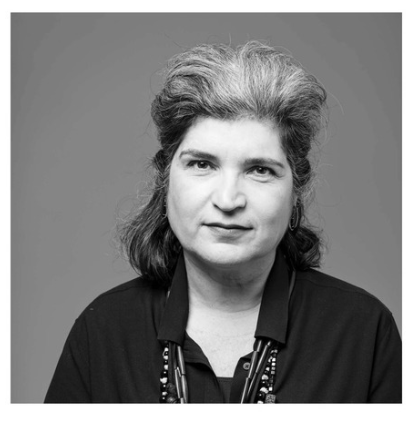
Sarah Chalabi
Sarah Chalabi is co-founder of Dongola Limited Editions, a Beirut publishing house creating limited-edition artist’s books conceived as works of art. A trained journalist with two decades of writing between Beirut, Paris, Kuwait and New York, she shapes Dongola’s editorial vision. Under her leadership, Dongola launched the Dongola Architecture Series (DAS), monographs on leading Arab architects including Ammar Khammash, Nasser Rabbat and Bernard Khoury. During the 2020 lockdown, Dongola initiated Cities Under Quarantine: The Mailbox Project, mailing handmade books to 57 Arab artists across 22 cities. The resulting artist’s books have since been exhibited at Villa Romana in Florence, Mathaf in Doha and the Saudi Museum of Contemporary Art. Dongola’s most recent release, Fadi Melhem’s A Memory That Lasts and Lasts and Lasts, is part of a long-term initiative launched in 2024 to support artists at the Beirut Printmaking Studio.
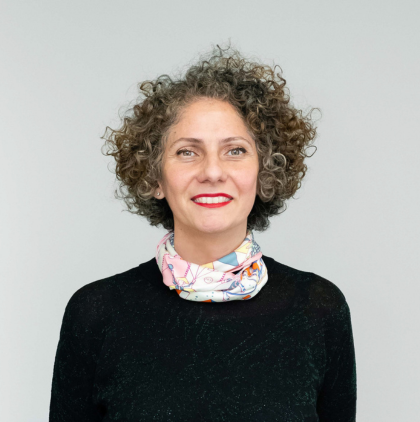
Ala Younis
Ala Younis is an artist whose practice extends into curatorial, film, and publishing projects. She has held solo exhibitions in Amman, Dubai, Sharjah, New York, London, Seville, Prague, and Abu Dhabi, and has participated in major biennials including Venice, Istanbul, Gwangju, Sharjah, and Diriyah. In 2012, she co-founded Kayfa ta, an independent publishing project that has produced fifteen titles and organised group exhibitions on publishing. She was co-head of Berlinale Forum Expanded (2021–24), co-Artistic Director of the Singapore Biennale (2022–23), and a Research Scholar at Al Mawrid Arab Center for the Study of Art at NYU Abu Dhabi (2022–25). Her awards include the Cairo Youth Salon Award in Painting for Non-Egyptians and an award from the Jordanian Artists Association in Amman. She holds degrees in architecture from the University of Jordan and in visual cultures from Goldsmiths, University of London, and is currently pursuing a DPhil at the University of Oxford.
Dr. May Zaki
Mai Zaki is Professor of Linguistics in the Department of Arabic and Translation Studies at the American University of Sharjah (AUS) and UNESCO Co-Chair in Arabic Language, Artificial Intelligence, and Digital Heritage. She holds a PhD in Linguistics from Middlesex University, UK. She is also Co-Editor-in-Chief of the Journal of Digital Islamicate Research, published by Brill.
Her research interests include Arabic Digital Humanities, corpus linguistics, translation studies, computational stylistics, and the applications of artificial intelligence in language education and translation. She has extensive teaching experience in Egypt, the UK, and the UAE, and published widely in the areas of linguistics, digital humanities, translation, and teaching Arabic as a foreign language. She also contributes to curriculum development, program accreditation and teacher training.
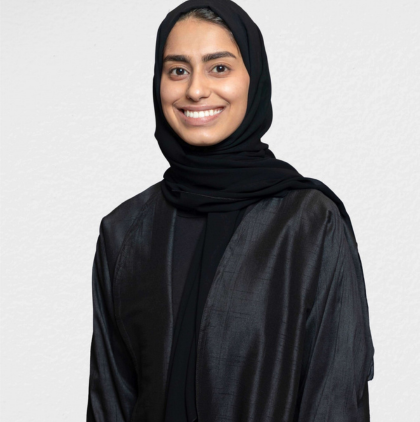
Fatima AlKaabi
Fatima Al Kaabi is an Emirati inventor, engineer and creative technologist.
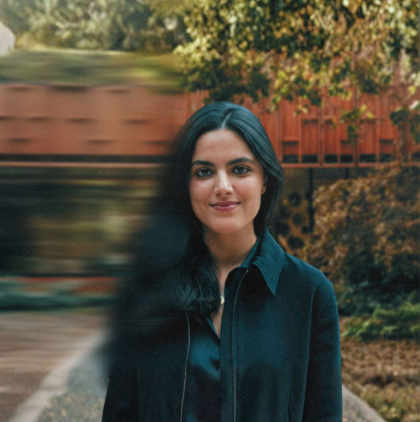
Salma Alkhoudi
Salma Alkhoudi is a Ph.D. candidate in the Anthropology of Science and Technology at Stanford University and a Knight-Hennessy Scholar. Her dissertation treats “intelligence” itself as an object of study, following how the concept gets built and bound into AI systems along the corridor between the Gulf and the Bay Area. Alongside her fieldwork, she has contributed to scholarship across several NLP and AI projects and labs in the Gulf, including continued pre-training on Arabic corpora.
Salma is also a founder whose work centers on conceptual reasoning. She asks what it takes for people to think well alongside machines, and whether AI widens or quietly narrows the range of ideas people are able to reach. She has spent seven years in AI strategy and policy across the Gulf, including as a Research Fellow at the Mohammed bin Rashid School of Government.
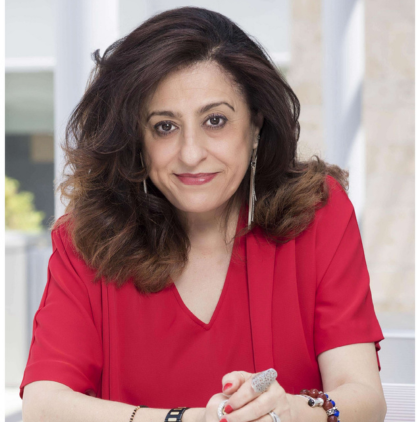
Dr. Nada Shabout
Dr. Nada Shabout is currently a Visiting Professor of Art History and a Senior Investigator at al Mawrid Arab Center for the Study of Art at NYUAD. She is Regents Professor of Art History and the Coordinator of the Contemporary Arab and Muslim Cultural Studies Initiative (CAMCSI) at the University of North Texas. She is the founding president of the Association for Modern and Contemporary Art from the Arab World, Iran and Turkey (AMCA) and founding director of Modern Art Iraq Archive (MAIA). Shabout is a scholar and curator who has published widely on modern and contemporary Arab and Iraqi art. She is the author of Modern Arab Art: Formation of Arab Aesthetics, 2007; co-editor, New Vision: Arab Art in the 21st Century, 2009; and Modern Art in the Arab World: Primary Documents, MoMA, 2018. She has curated several important exhibitions, including the touring exhibition All Manner of Experiment: Legacies of the Baghdad Modern Art Group, Hessel Museum, CCS Bard, 2025 and NYUAD Galleries, 2026–2027, and its third reimagination, What Lingers in the Artist’s Mind: Experiments and Legacies of the Baghdad Modern Art Group, Mathaf: Arab Museum of Modern Art, 25 October 2026 – 6 February 2027. Shabout serves on the Founding Board of Directors, Visual Art Commission, Ministry of Culture, Saudi Arabia (2020–2023 and 2024–2027) and is the elected President of The Academic Research Institute in Iraq (TARII), July 2026.
Dr. Hala Khayat
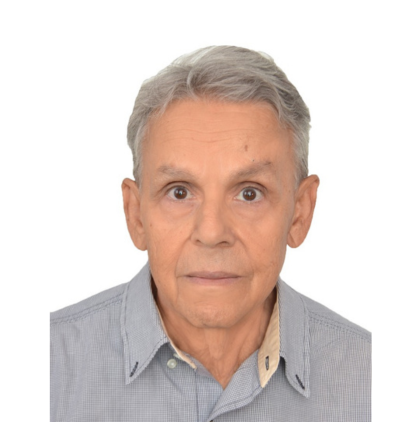
Dr. Ahmed Somai
Tunisian academic and translator from Italian into Arabic, best known for his Arabic translations of Umberto Eco’s novels and essays.
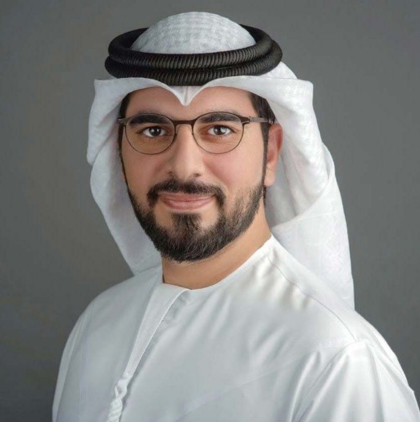
Ghaith Al Hosani
Ghaith Alhosani works at Sharjah Public Libraries, where he oversees programmes, events and library services.
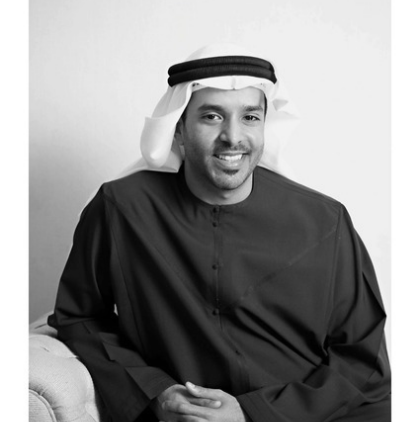
Fadel Al Mheiri
Fadel AlMheiri was born in 1979 in Abu Dhabi, United Arab Emirates. He has made six short films since 2001 and then established Tent Pictures Productions at TwoFour54 in 2013; an independent film production company with a goal of producing feature length films.
He is currently working to release the animation feature film ‘Catsaway’ in cooperation with Imagenation Abu Dhabi. Taking place in the late 90's, it tells the story of a group of street cats who are forced to leave their safe shelter in the fast-growing city of Abu Dhabi. He is currently working on his second feature film titled ‘Tomina’; a robot purchased as a household appliance programmed to be a domestic servant in Al Ain who begins to experience emotions and struggles to become part of an Emirati family.
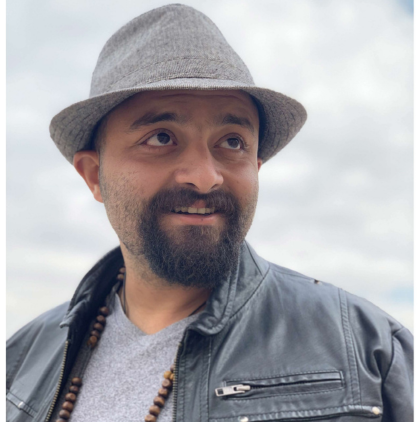
Ahmed Hamouda
Ahmed Hamouda is an Egyptian animation producer, storyteller, and co-founder and Head of Story at Giraffics, an animation studio working across the MENA region and internationally. His work focuses on developing original animated intellectual properties that combine distinctive visual storytelling with culturally rooted narratives. He contributed to Disney+’s Kizazi Moto: Generation Fire as Consulting Producer and Supervising Producer on two episodes, and is currently developing several original IPs, including El Leila El Kebira (The Grand Night), an animated feature film selected for the Annecy MIFA Pitches in 2020 and supported by the Red Sea Film Foundation. Giraffics has been selected for the Annecy International Animation Film Festival and Market three times and has previously received an Annecy award. Ahmed is also exploring the intersection of animation and artificial intelligence, with a particular interest in expanding creative possibilities while preserving artistic integrity and cultural identity.
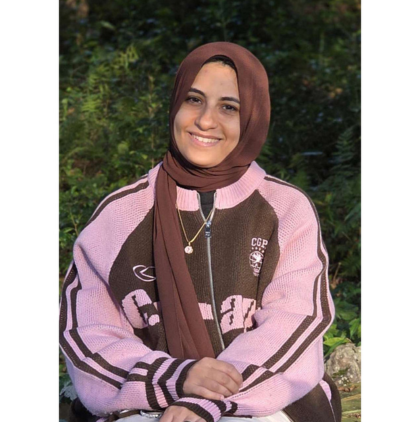
Basma Hosam
Basma Hosam is an award-winning Egyptian illustrator specializing in children’s book illustration, character design and visual storytelling. With nearly ten years of professional experience and over forty illustrated books, she has collaborated with renowned publishers including Penguin Random House, Al Salwa Publishers and Nahdet Misr Publishing, bringing stories to life through expressive characters and distinctive artistic styles. Her work has earned recognitions including the IBBY Honour List (2024), the Etisalat Award for Arabic Children’s Literature (2022 and 2024), the Abdelaziz Mansour Publishing Prize (2019) and the Sawiris Foundation Cultural Award (2025). In 2024 she served as a jury member for the Sawiris Foundation Cultural Award in the children’s books category.
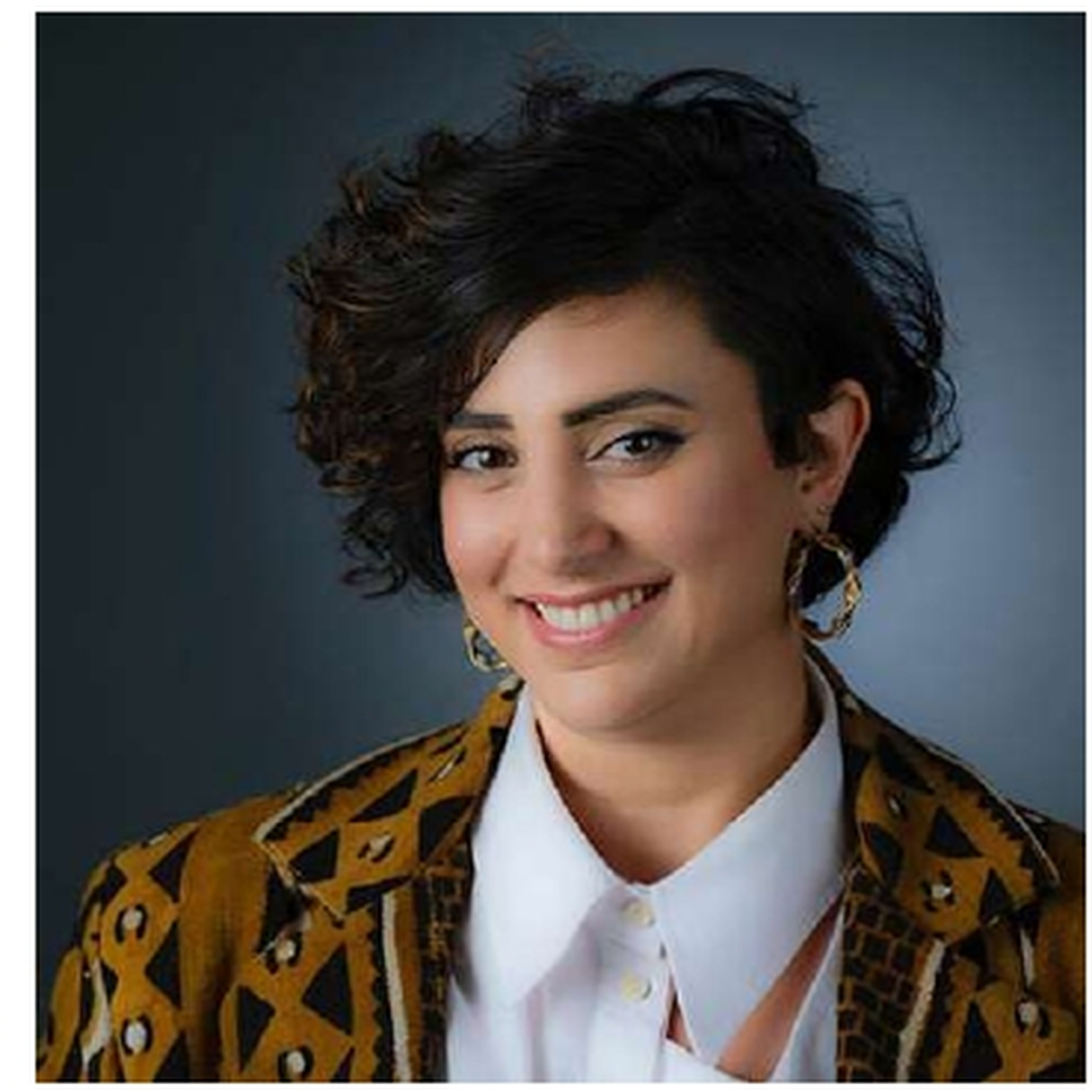
Hiba Farhat
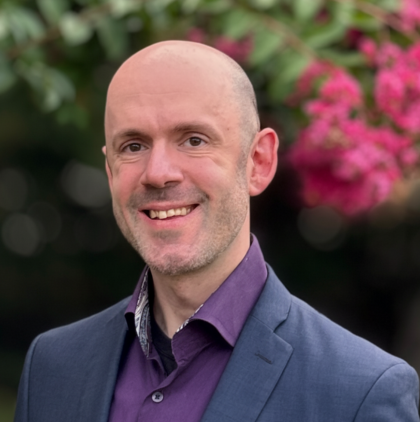
Dr. Joshua Sternfeld
Josh Sternfeld is a historian, preservationist, and technologist working on how we produce, discover, and trust knowledge about the past. He is co-author of “Content Authenticity and Provenance in the Age of Artificial Intelligence: A Call-to-Action for the LAMs Community,” recognized with an AI Innovation Award from AI4LAM, and he writes the Substack newsletter Encoding the Past on AI and historical practice. His Cambridge University Press Element, Artificial Intelligence, Historical Data, and Transhistorical Agency, is forthcoming in the Elements in Historical Theory and Practice series, and a research grant from the Institute for Humane Studies supports his project Establishing Trust in Agentic AI through Search Provenance. He has published in the American Historical Review and Transactions of the American Philosophical Society, and holds a PhD in History from UCLA and a BA in History from Princeton.
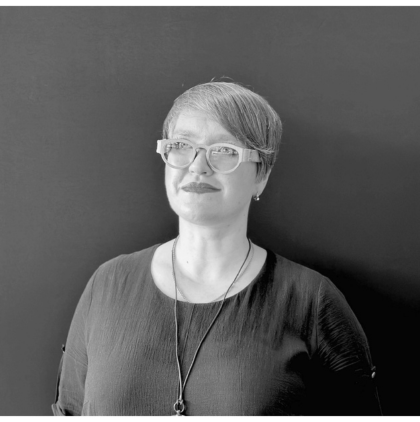
Dr. Nataliya Kos'myna
Dr. Kosmyna is a senior research scientist at MIT Media Lab’s Fluid Interfaces group. She has 16+ years of experience in developing and designing end-to-end brain-computer interfaces (BCIs). Coming from a background in artificial intelligence, neuroscience and human-computer interaction (HCI), she is passionate about the idea of creating a partnership between AI and human intelligence, a fusion of the machine with the human brain. Dr. Kosmyna is interested in understanding further the true cost of using tools around us (her work on cognitive debt when using LLM chatbots, her work on comparing interaction strategies for AI systems in a learning context of nuclear safety protocols using brain sensing), cognitive alignment, as well ways of shaping a future that benefits all of Humanity (Humans Commons Licenses). Dr. Kosmyna’s solutions and art projects are successfully deployed in the classrooms, hospitals, workspaces, aerospace, Lower Earth Orbit, and on the Moon. These projects are also presented to general public and were tested by more than 18000 people in 2015-2026. Nataliya won multiple awards for her work, among which is L’Oréal-UNESCO Women in Science award she received in 2016. Nataliya was also named as one of 10 Top French Talent 2017 from MIT Innovators Under 35. Her work was covered in more than 500 TV appearances, radio and other news outlets all around the world including but not limited to: New York Times, The New Yorker, CNN, Washington Post, Time, Nature, CBS News, The Guardian, The Telegraph, The Wall Street Journal, Fast Company and more.
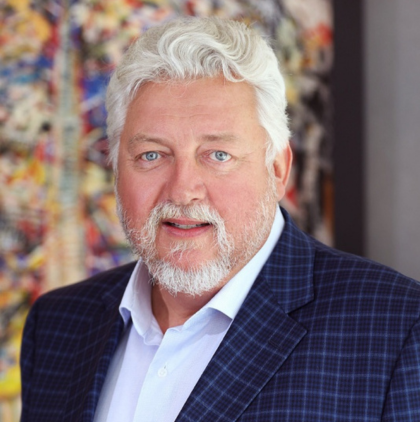
Ian Fairservice
Ian Fairservice is the founder and managing partner of Motivate Media Group, one of the Middle East’s leading media and content companies.
A management graduate, Ian moved to Dubai in January 1978 as deputy general manager of the city’s second five-star hotel. Recognising the UAE’s emerging media landscape, he founded Motivate Publishing in 1979, launching the UAE’s first English-language magazines.
Motivate has evolved into a diversified media company spanning magazines, books, digital media, events, cinema advertising, influencer marketing and content creation.
MMG has published more than 400 books, including many by HH Sheikh Mohammed bin Rashid Al Maktoum and other well known authors such as Sir Wilfred Thesiger, Ronald Codrai OBE, Noor Ali Rashid, Ramesh Shukla and British royal photographer Lord (Patrick) Litchfield.
As representative of the Cannes Lions International Festival of Creativity since 2000, founder of the Dubai Lynx Festival of Creativity and chairman of Athar – Saudi Festival of Creativity, Ian plays a pivotal role in advancing creative excellence.
He has been Chairman of the UAE chapter of the culinary association La Chaîne des Rôtisseurs for 40 years and serves on its World Board in Paris.
Alongside his business interests, Ian is vice chairman of the board of governors of the Al Noor Training Centre for Children with Special Needs, a position he has held for 30 years.
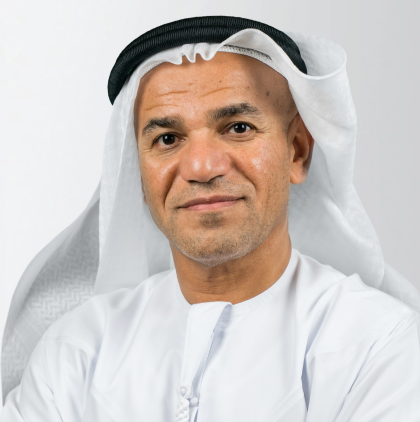
Prof. Saeed Khalfan Al Dhaheri
Professor Saeed Khalfan Al Dhaheri is an Emirati thought leader and expert with more than thirty years of experience in shaping technology adoption, AI governance, innovation, digital transformation and foresight across the public and private sectors. A pioneer in artificial intelligence, with work on neural networks dating back to 1990 at George Washington University, he combines deep academic grounding, senior government leadership and an influential international presence, and stands today among the leading global voices on the ethical, strategic and geopolitical governance of the future of intelligent technologies.
His contributions to the UAE’s digital and institutional infrastructure include senior leadership roles as Director General of the Emirates Identity Authority, member of the Scientific Advisory Committee of the UAE Space Agency, adviser to the Minister of Foreign Affairs on information technology, Chairman of Smart World LLC and Professor at the United Arab Emirates University, a career that helped build the country’s technology ecosystem.
He holds a distinguished portfolio of concurrent academic and research positions across three continents: Chair Professor at the School of Management of the Harbin Institute of Technology in China, Director of the Centre for Future Studies at the University of Dubai, Visiting Professor in AI at the University of Oxford, adjunct lecturer at the Mohammed Bin Rashid School of Government, and instructor on the executive programme for chief AI officers at the Abu Dhabi School of Management. In global policy, he is UNESCO Co-Chair in Anticipatory Systems, Chair of the AI Working Group of the Citiverse initiative (ITU, the UN International Computing Centre and Digital Dubai), President of the Emirates Robotics and Automation Society, and a former member of the Global Commission on AI in the military domain.
His expertise centres on four interlinked areas at the frontier between policy, technology and national competitiveness: ethical and responsible AI and AI governance; innovation and digital transformation; foresight; and the geopolitics of technology.
He has been invited to lecture at leading global and academic platforms, including the United Nations, the World Economic Forum, OPEC and universities such as Oxford, Cambridge and University College London. Through his work with UNESCO, the ITU and multilateral committees he has contributed to global frameworks on responsible AI, military AI governance, anticipatory governance and data ethics, strengthening the UAE’s intellectual presence on the world stage.
He is the author of “Digital Nation: How the UAE is Building a Future Based on Tech Innovation”, and has published in Harvard Business Review Arabia, MIT Technology Review Arabia, Times Higher Education, Human Futures (World Futures Studies Federation) and the Dubai Policy Review, and has been featured in Fast Company Middle East and MIT Sloan Management Review Middle East. He was named among the top 20 global influencers in AI governance for 2025 by the AI Governance Network (AIGN), is a LinkedIn Top Voice, and is a certified Data Ethics Facilitator of the Open Data Institute (UK). He has delivered hundreds of lectures, seminars and workshops, and dozens of advanced courses on generative AI for UAE government entities and international organisations.
He holds a BSc in Electrical Engineering from the United Arab Emirates University (1978), an MSc in Biomedical Engineering from George Washington University (1990) and a PhD in Biomedical Engineering from Drexel University, Philadelphia (1994).
Azim Al Ghussein
Azim Al Ghussein is Senior Manager of Library and Research at Jameel Library, Jameel Arts Centre, Dubai. He leads the library's research commissions, public-facing research displays and their online circulation, and the acquisition of resources that expand on exhibitions, regional art histories, and cultural programming. His work focuses on developing the library as a platform for thinking in public.
He holds an MFA in Printmaking from Virginia Commonwealth University School of the Arts, and BFAs from the School of the Art Institute of Chicago, specialising in cartooning, and the American University in Dubai. He has taught as a teaching assistant and course instructor at VCU and held a teaching residency at VCUarts Qatar. His background in visual storytelling, design, and print production shapes his focus on making research and library resources accessible and clearly circulated through Jameel Library's public programming.
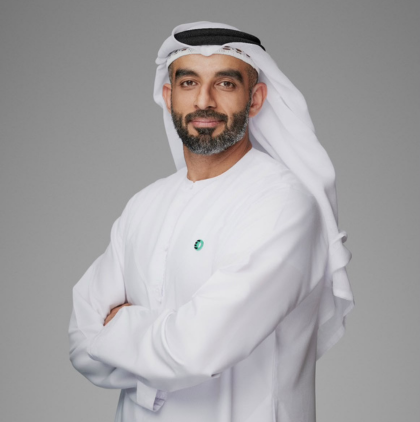
Mohammed Hanif Al Qassim
Mohammad Hanif Al Qassim is Vice President of UAE Sales at Core42, where he leads commercial engagement across the UAE market, supporting the adoption of sovereign cloud, artificial intelligence and advanced digital infrastructure across government and enterprise sectors.
He brings extensive experience spanning public policy, national economic development, corporate strategy and digital transformation. Prior to joining Core42, he served as Assistant Undersecretary for Policies and Economic Studies at the UAE Ministry of Economy and Tourism, contributing to strategic policy initiatives and national economic priorities.
His previous leadership positions include Chief Strategy Officer at Majra – National CSR Fund and Chief Operating Officer for Digital Transformation at CSR UAE Fund. Across these roles, he worked at the intersection of institutional strategy, innovation, sustainability and cross-sector collaboration.
Alongside his executive career, Mohammad is Managing Partner of The Manor Hotel by JA in Dubai and a member of the Global Advisory Council of Hospitality Financial and Technology Professionals (HFTP). These roles complement his experience in private-sector operations, commercial development and international industry engagement.
Mohammad holds academic qualifications from Zayed University and Middlesex University Dubai and is a graduate of the Anwar Gargash Diplomatic Academy. His professional interests include sovereign AI, digital competitiveness, economic diversification and the development of resilient, future-ready institutions.
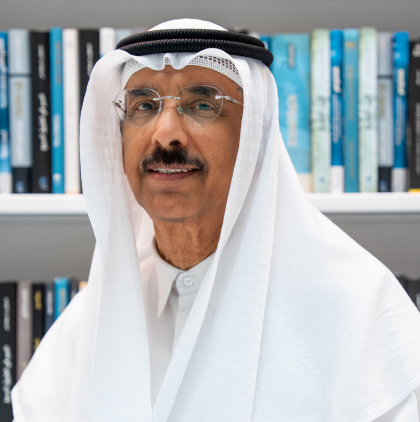
H.E. Mohammad Al Murr
Emirati writer and public figure; Chairman of the Board of the Mohammed Bin Rashid Al Maktoum Library Foundation. Formerly Speaker of the Federal National Council and Chairman of the Dubai Culture and Arts Authority, he is the author of numerous short-story collections and books on the UAE.
Dr. Abdulrahman Ghrawi
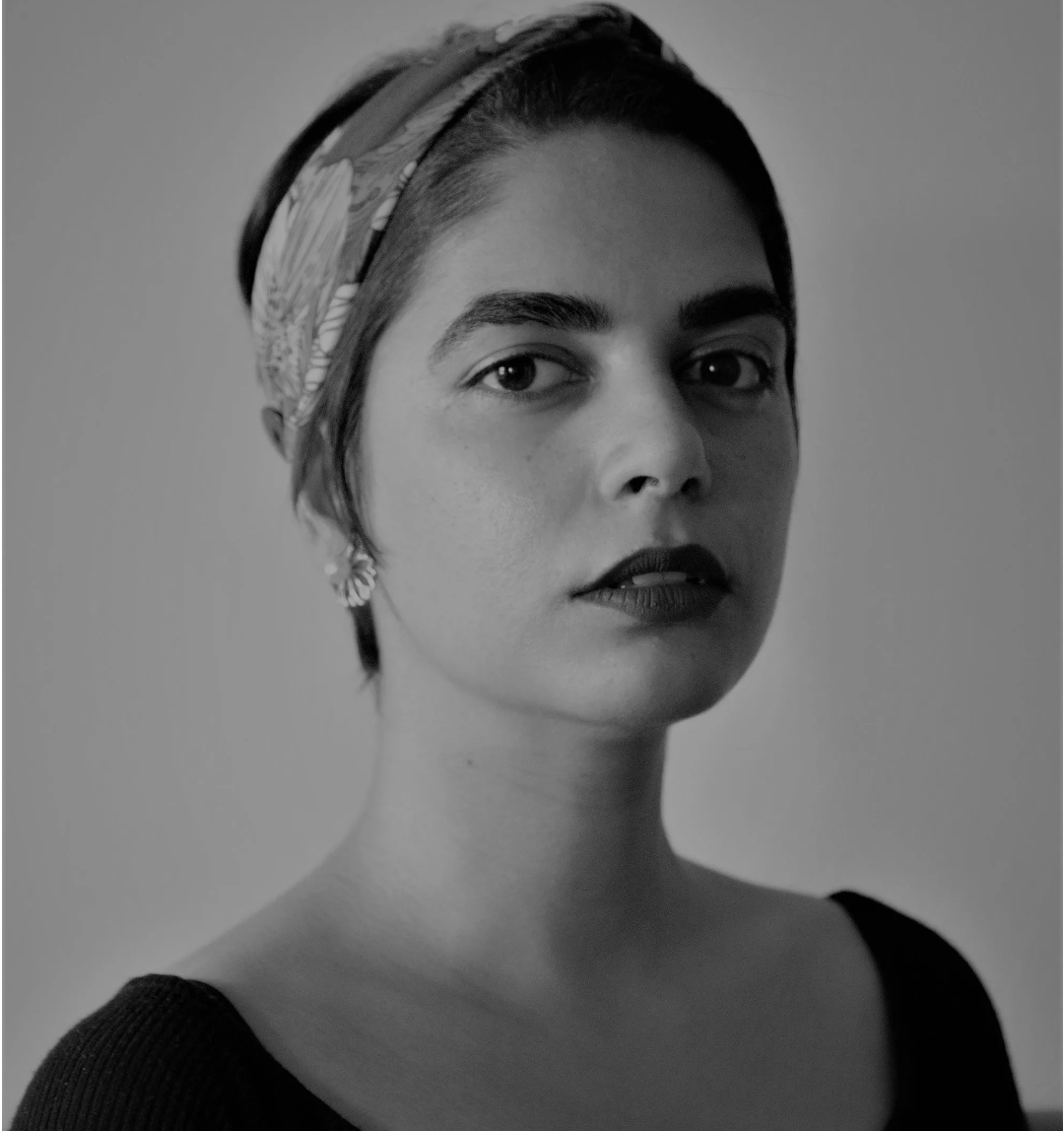
Dr. Rida Qadri
Dr. Rida Qadri is an interdisciplinary AI researcher and Senior Research Scientist at Google Research. Her work investigates how AI reshapes labor, culture, and human creativity. Holding a PhD from MIT, her research champions participatory evaluation methods and interaction design frameworks that reflect on-ground social realities and culturally grounded knowledge practices. Her research is published across premier venues including NeurIPS, ACM CHI, CSCW, FAccT, and AIES. She has delivered keynotes and invited talks all over the world at venues like SXSW, LEAP, Cornell and Princeton. Her public commentary has appeared in Wired, The Guardian, Slate, and Vice.