


Taghreed Najjar
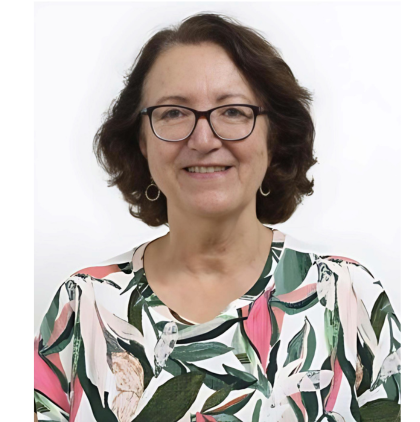
Taghreed Najjar was awarded the 2021 Jordanian State Award for Children's Literature. She has been a several-time nominee for the Astrid Lindgren Award and a several-time winner and shortlistee of the Etisalat Prize for Arabic Children's Literature. Her YA novel Whose Doll is This? won the YA Book of the Year (2019).
With a portfolio spanning four decades, Taghreed – a multifaceted author – writes picture books, middle grade and young adult books. Her picture books have become classics that are read and enjoyed by generations, while her YA novels have found great success in addressing difficult subjects reflecting political and cultural realities in the region.
Several of Najjar's books have been recommended by "White Ravens" and several have been translated to languages including English, Italian, Swedish, Danish, French and Turkish.
Mona Henning Zureikat
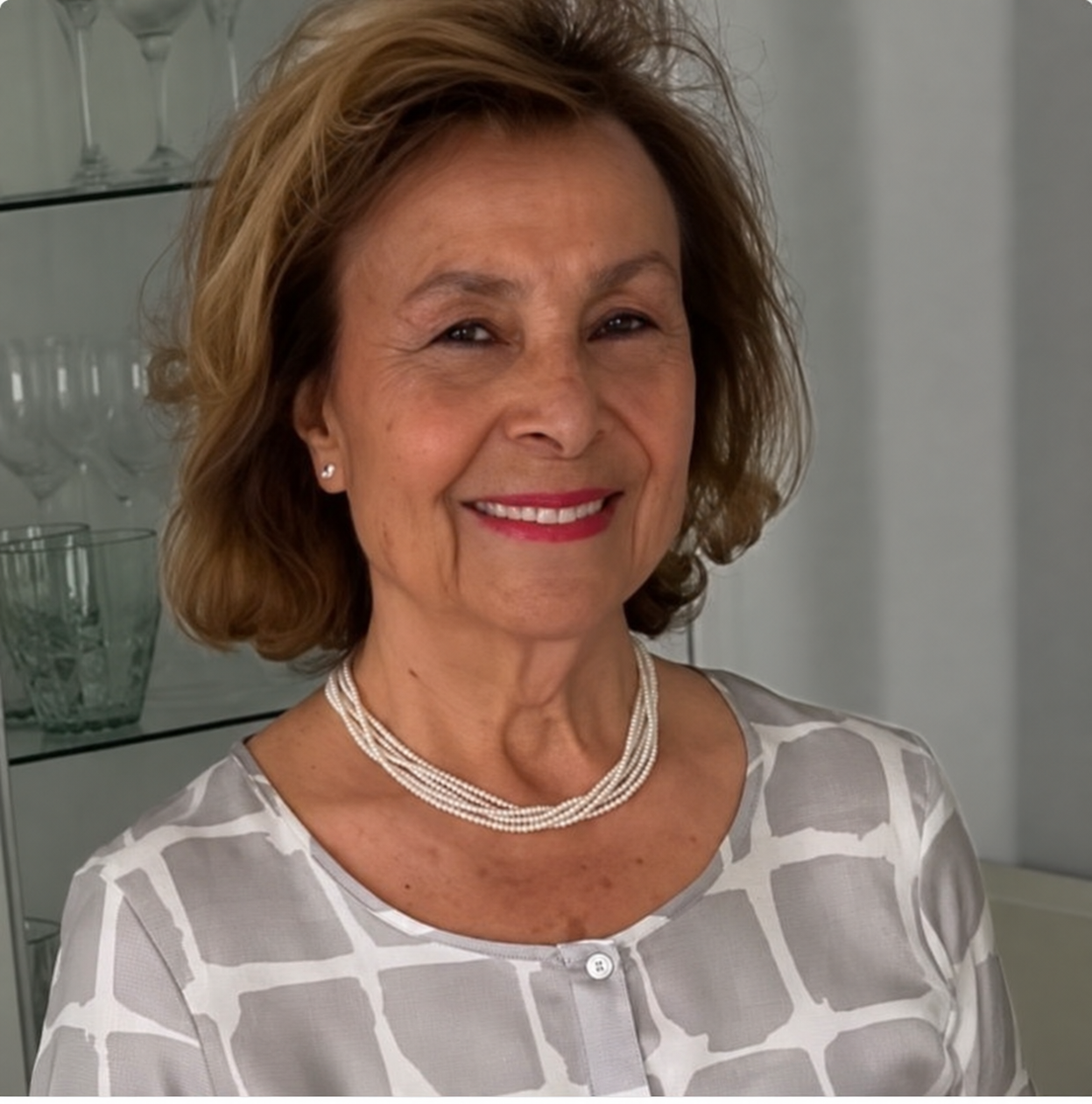
Founder and publisher of Dar Al-Muna, established in Stockholm in 1984 to publish Arabic children’s literature, including Arabic translations of Scandinavian classics, for readers across the Arab world and the diaspora.
Dalia Toonsi
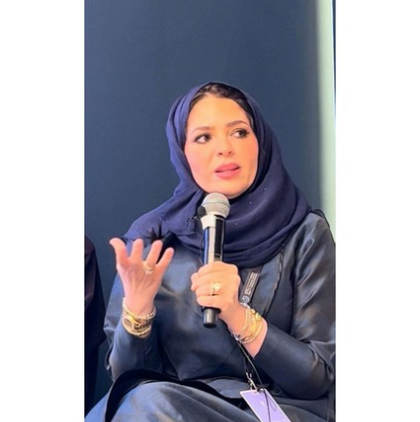
Dalia Toonsi is a Saudi educator, author, and specialist in Philosophy for Children (P4C) and the sociology of childhood. She is the founder and Chairperson of Baseera Institute in Jeddah, Saudi Arabia.
Since 2011, she has been dedicated to promoting philosophical inquiry, critical thinking, and meaningful dialogue in education. Through Baseera, she has pioneered initiatives to introduce P4C into educational settings across Saudi Arabia and the Arab world, developing professional training programmes for educators and facilitating international partnerships.
Alongside her work in education, Dalia is a children’s literature author with a particular interest in the philosophical dimensions of storytelling and the role of children’s books in shaping imagination, identity, and understanding.
Her work brings together philosophy, education, and literature, with a commitment to nurturing curiosity, independent thinking, and a culture of dialogue from early childhood.
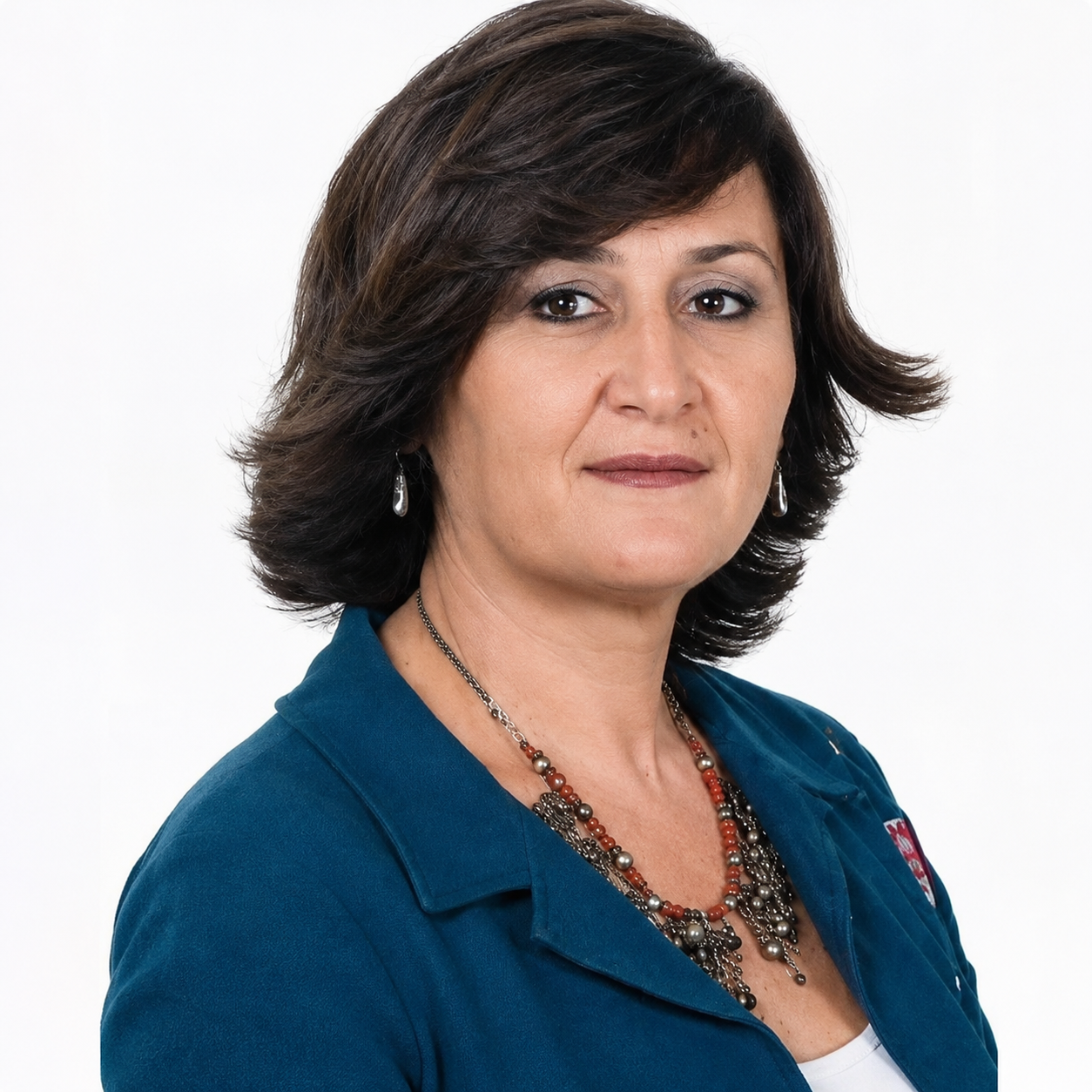
Dr. Siham Harb
Siham Harb holds a PhD in Arabic Language and Literature, specialising in children's literature, from Saint Joseph University of Beirut, and is a retired professor at the Lebanese University. A researcher in narratology, language learning and education, she has served as an educational expert on EU-funded programmes and as a trainer of trainers. She is a member of educational, literary and professional bodies, including the Lebanese Association for Educational Studies (LAES), ADMEE-Liban, PEN Lebanon and the Association of Former Professors of the Lebanese University, and is the author of school textbooks published by Hachette Antoine.