


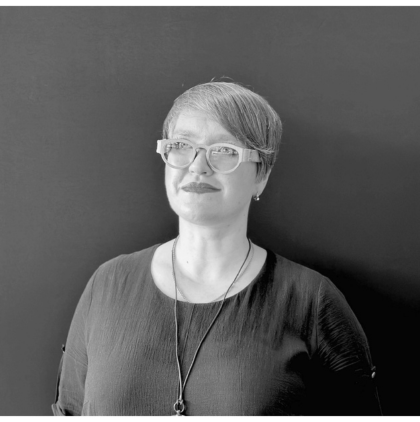
Dr. Nataliya Kos'myna
Dr. Kosmyna is a senior research scientist at MIT Media Lab’s Fluid Interfaces group. She has 16+ years of experience in developing and designing end-to-end brain-computer interfaces (BCIs). Coming from a background in artificial intelligence, neuroscience and human-computer interaction (HCI), she is passionate about the idea of creating a partnership between AI and human intelligence, a fusion of the machine with the human brain. Dr. Kosmyna is interested in understanding further the true cost of using tools around us (her work on cognitive debt when using LLM chatbots, her work on comparing interaction strategies for AI systems in a learning context of nuclear safety protocols using brain sensing), cognitive alignment, as well ways of shaping a future that benefits all of Humanity (Humans Commons Licenses). Dr. Kosmyna’s solutions and art projects are successfully deployed in the classrooms, hospitals, workspaces, aerospace, Lower Earth Orbit, and on the Moon. These projects are also presented to general public and were tested by more than 18000 people in 2015-2026. Nataliya won multiple awards for her work, among which is L’Oréal-UNESCO Women in Science award she received in 2016. Nataliya was also named as one of 10 Top French Talent 2017 from MIT Innovators Under 35. Her work was covered in more than 500 TV appearances, radio and other news outlets all around the world including but not limited to: New York Times, The New Yorker, CNN, Washington Post, Time, Nature, CBS News, The Guardian, The Telegraph, The Wall Street Journal, Fast Company and more.