


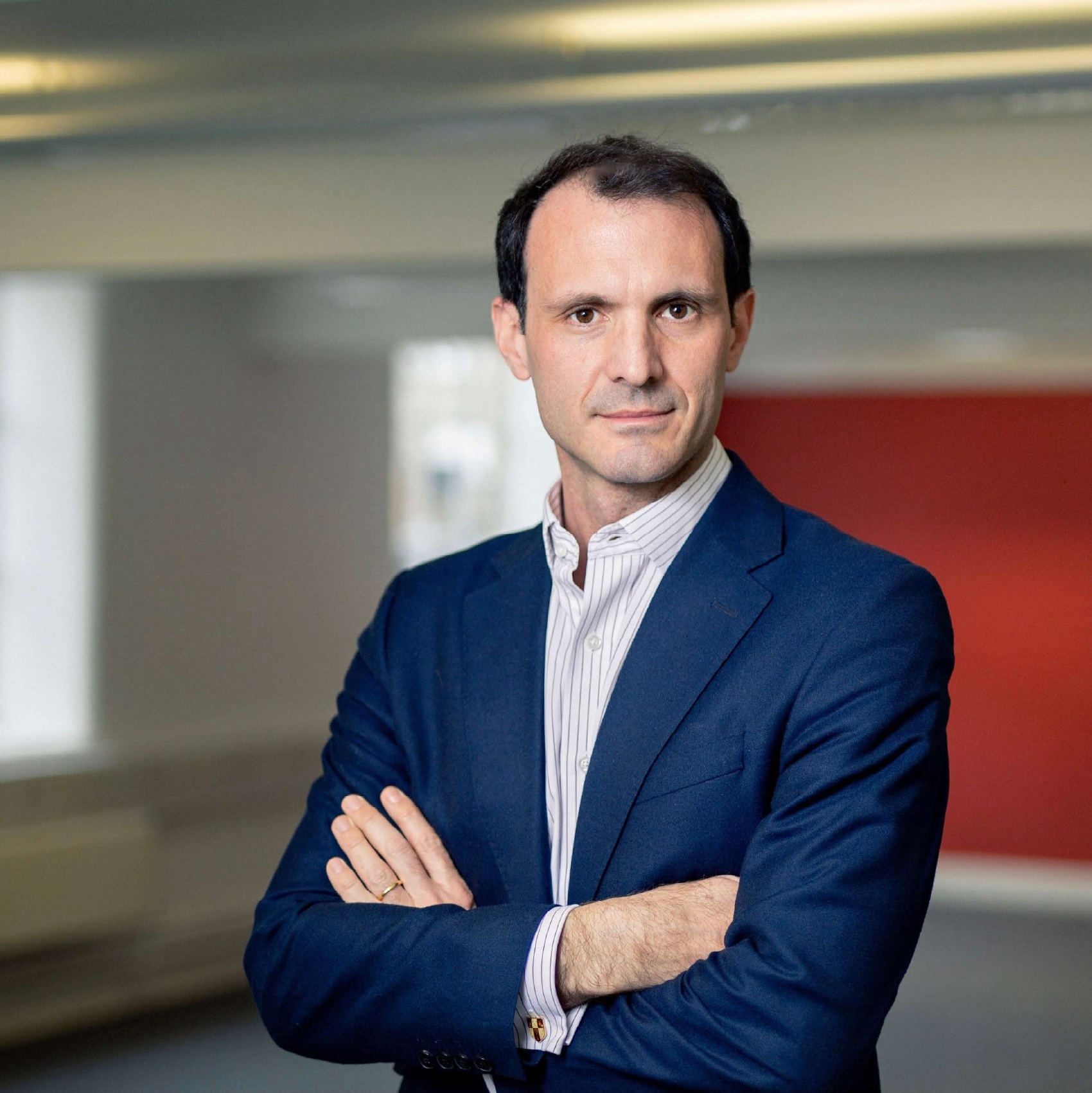
Dr. Stephen Cave
Professor Stephen Cave is Academic Director of the Leverhulme Centre for the Future of Intelligence and Co-Director of the Institute for Technology and Humanity, both at the University of Cambridge. His research focuses on philosophy and ethics of technology, particularly AI, robotics and life-extension. He is the author of Immortality (Crown, 2012), a New Scientist book of the year, and Should You Choose To Live Forever: A Debate (with John Martin Fischer, Routledge, 2023); and co-editor of AI Narratives (Oxford, 2020), Feminist AI (Oxford, 2023) and Imagining AI (Oxford, 2023). He writes widely about philosophy, technology and society, including for the Guardian and Atlantic. He also advises governments around the world, and has served as a British diplomat.
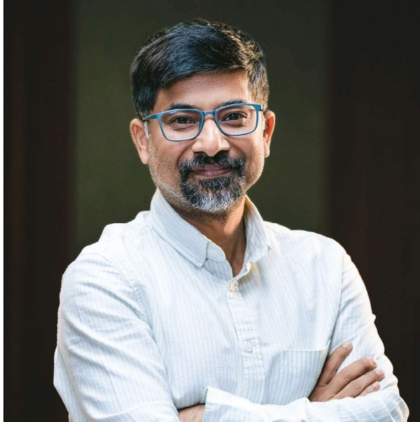
Dr. Monojit Choudhury
Professor of Natural Language Processing at the Mohamed bin Zayed University of Artificial Intelligence. Previously a Principal Researcher at Microsoft Research, his work spans multilingual and low-resource language technologies, code-mixing, and the cultural and linguistic behaviour of large language models.
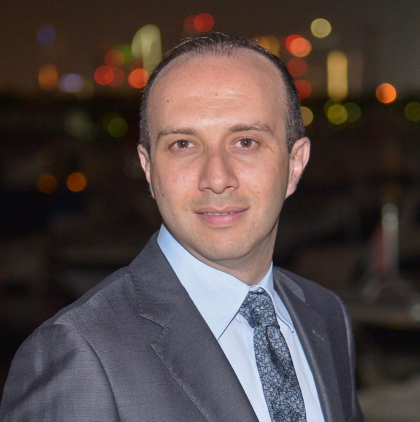
Dr. Fadi Salem
Dr. Fadi Salem is a leading global expert in digital governance, artificial Intelligence and technology policy, with over twenty years of experience across government, international organizations, and research institutions. He is the Director of Policy Research at the MBR School of Government and the Lead Senior Research Fellow in AI Governance and Digital Policy. He leads the Center of the Future of Government and is the founding Editor-in-Chief of The Policy Review journal. Previously, he was a Research Associate at the Belfer Center for Science and International Affairs, Harvard Kennedy School, and a Fellow at the Innovation and Information Policy Research Centre, Lee Kuan Yew School of Public Policy, National University of Singapore. Recognized as a thought-leader, Fadi was named among the 100 Most Influential People in Digital Government worldwide (Apolitical) and was nominated by the UN Secretary General to serve in the UN Committee of Experts of Public Administration (UN CEPA) until 2029, focusing on AI and Digital Governance. He serves on several influential international governance and advisory boards, including as President of the Digital Government Society’s AI-GOV Chapter, Co-Director of the Global Risk and AI Safety Preparedness (GRASP) Initiative, and as a member of the Dubai Digital Authority’s AI Ethics Advisory Board and several Government AI Ethics Advisory Committees. He is also a Lead AI Ethics Certified Assessor with the IEEE AI Ethics Program, Member of the Global Council on SDG 16 (World Government Summit), and member of numerous technology industry advisory boards, including the Open Loop initiative’s Global Experts on the Governance of Emerging Technologies. His leading publications include the Global Risk and AI Safety Preparedness project, the Arab SDGs Index and Dashboard, the Global Economic Diversification Index and the Creative Industries and Culture Cities Index. He has also led numerous policy advisory projects with the World Bank, UNDESA, UNDP, WEF, and OECD. Prior to joining the MBRSG, he advised the top-tier leadership on technology policy and digital economy in The Executive Office in Dubai. Fadi holds a PhD in Public Policy from the University of Oxford, an MSc in Management from the London School of Economics (LSE), and a B.Eng. in Computer Engineering from Aleppo University.